
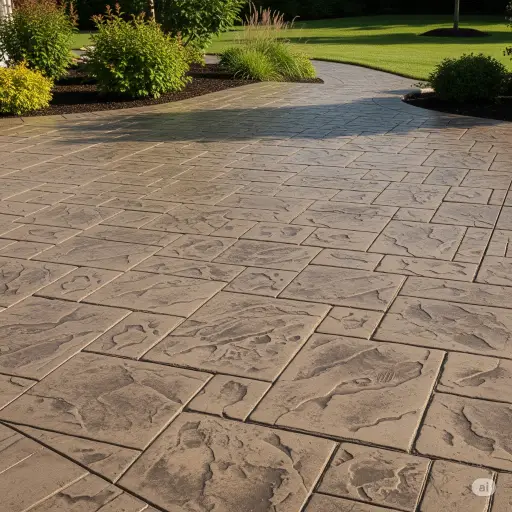
There’s something undeniably captivating about the look of natural stone—its rugged elegance, organic textures, and earthy tones evoke a sense of timelessness. But stone, as beautiful as it is, often comes at a steep cost in both installation and upkeep. That’s where stamped concrete enters the picture, bringing with it the power to replicate slate, flagstone, limestone, and cobblestone—at a fraction of the expense.
Stamped concrete isn’t simply a budget-friendly imitation. It’s a highly customizable and long-lasting surface solution that can be colored, textured, and sealed to reflect the depth and character of real stone. Whether you’re designing a resort-inspired pool deck, a winding garden path, or an elegant courtyard, stamped concrete delivers stone’s aesthetic appeal without its limitations.
Pool Deck Resurfacing: Mimic Natural Stone Without the Maintenance
Pool deck resurfacing is the ideal opportunity to introduce stamped concrete into your landscape. Around pools, natural stone can become slippery, expensive, and high maintenance. With stamped concrete, you achieve the stone aesthetic with built-in slip resistance, smoother transitions, and fewer grout lines to crack or collect debris.
Stamped patterns can mimic flagstone’s fractured contours or the uniformity of tile. Paired with concrete stains and sealers, these surfaces come alive with layered hues that resemble weathered travertine or sun-bleached limestone—cool underfoot, visually cohesive, and safe for bare feet.
Rubber Floor Coating: Soft Edges Meet Textured Beauty
While rubber floor coating may seem like the opposite of stamped concrete, these two materials can complement each other beautifully in multi-use spaces. Picture a stamped concrete patio transitioning into a soft rubber play zone—blending old-world charm with modern safety.
For commercial properties or family homes, rubber surfaces can be placed adjacent to decorative concrete for contrast and functionality. Sealing both surfaces ensures color retention and long-term durability, even in spaces exposed to sunlight and frequent use.
Commercial Epoxy Flooring: Pairing Beauty with Performance
In public-facing commercial properties, blending style with strength is key. Commercial epoxy flooring is often used indoors, but stamped concrete can enhance outdoor or entryway zones, creating a seamless visual narrative from curb to interior.
Stamped concrete can be color-matched to epoxy tones for brand consistency or design harmony. Together, these two systems offer durability under heavy traffic, water resistance, and an elevated appearance that feels intentional and polished.
Concrete Sealing: The Essential Finishing Touch
No stamped concrete surface is complete without proper concrete sealing. It’s what protects your investment from UV rays, freeze-thaw cycles, stains, and wear. Sealing also enhances the color depth and highlights the intricate details of stamped textures, giving that stone-like surface a finished, natural luster.
Glossy sealers can evoke the shine of polished river rocks, while matte finishes retain the rustic charm of hand-cut flagstone. Resealing every 2–3 years keeps the pattern crisp and the color rich—ensuring your patio or walkway looks stunning for decades.
Stamped Concrete: Endless Stone-Inspired Possibilities
The beauty of stamped concrete lies in its versatility. It’s not limited to a single aesthetic or stone type. Patterns range from ashlar slate and European fan to sandstone and Roman cobblestone, each offering its own flavor of old-world sophistication or minimalist geometry.
Color options are virtually unlimited. Concrete stains, integral color, and antiquing washes create the depth and variegation typical of quarried stone. You can match your stamped concrete to existing architecture or let it stand out as a design centerpiece.
Best of all, stamped concrete doesn’t just look like stone—it performs better. It’s resistant to shifting, easy to clean, and less porous, making it suitable for everything from patios and driveways to courtyards and commercial plazas.
Garage Floor Epoxy: Functional Meets Stylish
Though more utilitarian in nature, garage floor epoxy can work in tandem with stamped concrete to create a cohesive design across your property. Imagine a stamped concrete driveway that flows into an epoxy-coated garage floor—both sealed, both easy to maintain, and both built to last.
While epoxy handles the heavy lifting—resisting oil stains, abrasions, and hot tires—stamped concrete offers the aesthetic appeal at the curb. When coordinated in color and tone, the two become a visual extension of one another, blending form and function.
Rustic Wood Stamped Concrete Patio: Natural Warmth, Zero Rot
For those who want the warmth of timber without the upkeep, a rustic wood stamped concrete patio is the ideal solution. This style mimics aged planks, complete with wood grain textures, nail impressions, and natural-looking variations in color.
Unlike real wood, this patio won’t warp, splinter, or decay. It can be sealed for extra durability and colored in tones ranging from sun-washed driftwood to rich mahogany. It’s perfect for backyards that blend rustic charm with modern practicality—and it works beautifully as a border to stone-stamped patterns for even more depth.
Flake Epoxy Floor: Bold Accents Meet Natural Stone Charm
Inside the home or commercial space, flake epoxy floors bring color and texture underfoot. But what happens when those spaces lead to outdoor patios or garden paths? Stamped concrete is the bridge.
You can coordinate flake epoxy color blends with the palette of your stamped concrete for a cohesive transition from indoors to out. Both materials are sealed, slip-resistant, and long-wearing, making them ideal for multi-zone projects that demand visual harmony and performance.
Metallic Epoxy Flooring: Modern Contrast to Old-World Looks
In showrooms, lounges, or high-design homes, metallic epoxy flooring offers a sleek, reflective surface that feels worlds apart from rustic stamped concrete—but the contrast can be captivating. Picture a modern kitchen opening to a stone-look stamped terrace. The interplay of light and texture adds drama and balance.
This fusion of old and new invites creative expression. Let metallic epoxy shine indoors, while stamped concrete sets the scene outside—each sealed to perfection, each tailored to its purpose.
Basement Waterproofing: Protect Your Stone-Inspired Surfaces
Beneath any finished surface lies the essential need for moisture control. Basement waterproofing is crucial if stamped concrete or decorative epoxy is part of your below-grade plans.
Waterproofing the slab helps prevent efflorescence, cracking, and discoloration. It also ensures your sealers and overlays last longer and perform as expected. For homes with stamped concrete basements or sunken patios, this hidden layer of protection is the silent guardian of your surface beauty.
Let’s Bring Stone Beauty to Life
At Gresham Concrete Coatings, we specialize in crafting surfaces that elevate your environment—whether that means replicating the elegance of natural stone or blending it with modern materials like epoxy or rubber coatings. With stamped concrete, you get the visual richness of quarried stone with the low maintenance and long lifespan of concrete.
From patios and pool decks to commercial courtyards and decorative driveways, we bring artistry and durability together in every project.
Reach out today to explore stamped concrete options that feel like stone, live like concrete, and perform like a dream.
FAQs
✔ How long does stamped concrete last compared to real stone?
With proper sealing and care, stamped concrete can last 25 years or more. It resists shifting and erosion better than many natural stones, which are often more fragile and porous.
✔ Does stamped concrete get slippery?
Sealers can make the surface slick, but anti-slip additives are available to ensure traction—especially for pool decks or sloped areas.
✔ Can stamped concrete really look like natural stone?
Yes. Advanced molds and coloring techniques allow for highly realistic textures and tones that mimic flagstone, slate, limestone, and more.
✔ Is stamped concrete cheaper than natural stone?
Typically, yes. Stamped concrete usually costs significantly less per square foot than natural stone, especially when factoring in installation and maintenance costs.
✔ How often should stamped concrete be resealed?
Resealing every 2–3 years helps preserve color, prevent fading, and maintain the protective barrier against weather and stains.
Looking for stamped concrete, concrete sealing, or pool deck resurfacing in Gresham and surrounding areas? Trust Gresham Concrete Coatings to craft stone-inspired surfaces built to last.
