
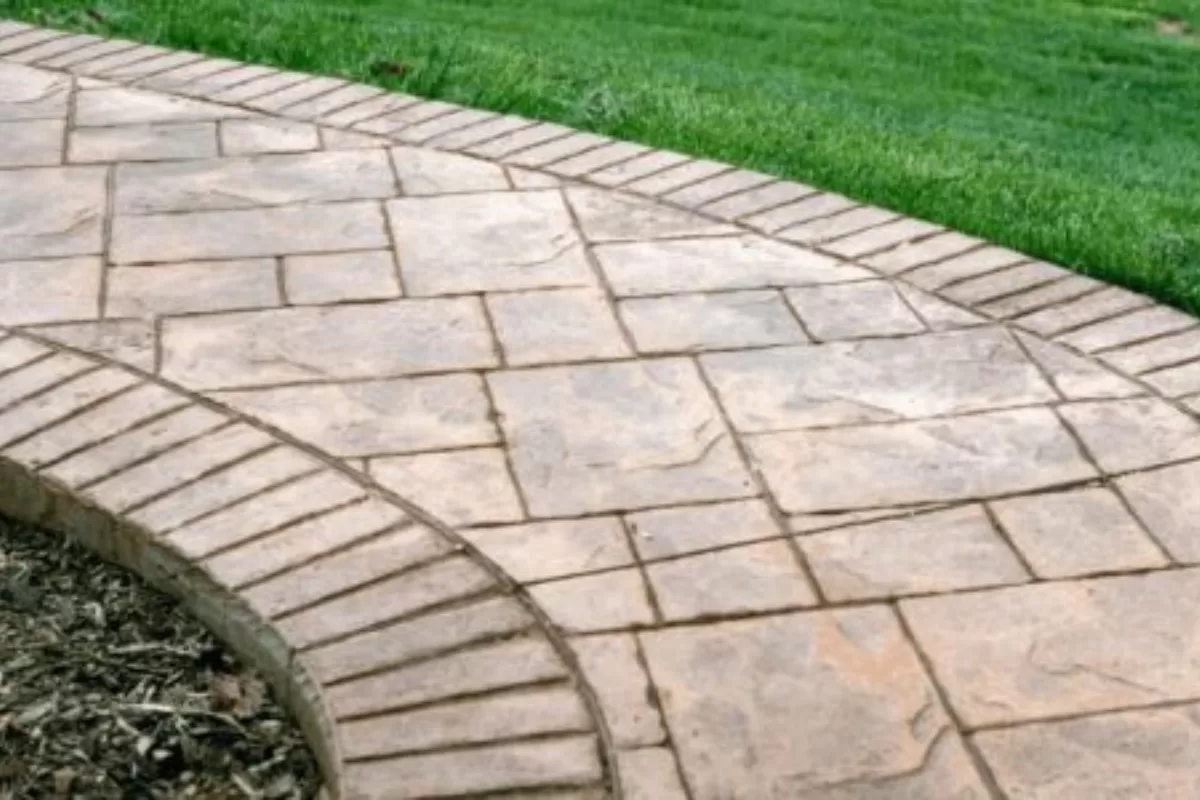
Stamped concrete is a decorative form of concrete that transforms plain slabs into striking surfaces resembling stone, brick, slate, or even wood. Unlike standard concrete, which serves a purely structural purpose, stamped concrete blends functionality with artistry. The process involves imprinting patterns and textures onto freshly poured concrete, allowing homeowners to achieve the appearance of high-end materials without their inherent cost or upkeep.
In South Dayton, stamped concrete has become increasingly popular. The region’s climate, marked by seasonal transitions and varied precipitation, makes durability a top priority. At the same time, homeowners seek elegant surfaces that complement local architectural styles—from traditional brick homes to modern suburban builds. Stamped concrete meets both needs beautifully.
Its uses are as varied as its designs. Driveways, patios, walkways, pool decks, and even interior accent floors benefit from this treatment. It turns utilitarian surfaces into focal points, creating outdoor living areas that feel polished and inviting.
Benefits of Stamped Concrete
The appeal of stamped concrete lies in its ability to emulate expensive natural materials. Cobblestone streets, rustic wood planks, or sleek tile designs can be recreated with remarkable precision. This versatility makes it a favorite among homeowners who desire upscale aesthetics without breaking the budget.
Durability is another hallmark. Properly installed and sealed, stamped concrete resists heavy traffic, freeze-thaw cycles, and moisture infiltration. Maintenance demands are minimal compared to materials like brick or stone, which can shift, loosen, or harbor weeds between joints.
Affordability further distinguishes it. Stamped concrete delivers the charm of natural stone or pavers at a fraction of the cost, offering excellent value for money. Its versatility in color, pattern, edging, and finish ensures that each project feels unique. From subtle earth tones to bold, dramatic hues, customization possibilities are nearly limitless.
Design Options & Styles
Design freedom is one of stamped concrete’s most compelling features. Popular patterns include cobblestone for old-world charm, slate for a sophisticated look, ashlar for a classic touch, and wood plank for rustic warmth. Each pattern can be tailored to suit the surrounding architecture.
Color options are equally diverse. Integral color infuses pigment directly into the mix, while stains and color hardeners enhance depth and variation. This combination produces rich tones that mimic the natural irregularities of stone or timber.
Finishes can range from matte for understated elegance to high-gloss for a polished effect. Antiqued surfaces add character, creating the illusion of age and texture. Customization extends even further with borders, stamped trims, decorative joints, and inlays that elevate simple slabs into artistic statements.
How Stamped Concrete Is Installed
The installation of stamped concrete requires precision and timing. It begins with site preparation: excavation, base compaction, and grading to ensure proper drainage. A stable sub-base—usually gravel or sand—provides the foundation for longevity.
Forms are set to establish boundaries, and concrete is poured to the correct depth. As the concrete reaches the ideal stage of plasticity, stamping tools are pressed into the surface to imprint patterns. Timing is critical; too early and the impressions fade, too late and the surface resists shaping.
Once stamped, the surface undergoes curing to prevent cracking and ensure strength. Sealants are then applied to enhance color, resist stains, and provide protection against weathering. These final steps not only preserve appearance but also extend service life.
Stamped Concrete vs Alternatives
When compared to pavers, stamped concrete offers seamless installation without joints that may shift or allow weeds to grow. Maintenance is lower, though pavers may offer easier spot repairs if individual units are damaged.
Natural stone and brick provide authenticity but come at a steep cost. They require skilled masonry, heavier structural support, and ongoing upkeep. Stamped concrete achieves a nearly identical look with significantly reduced investment.
Other decorative concrete options, such as etched or exposed aggregate finishes, offer their own appeal but lack the breadth of design possibilities found in stamping.
Maintenance & Longevity
Stamped concrete thrives with routine care. Simple cleaning with mild detergents and resealing every two to three years keeps surfaces looking fresh and resilient. Sealants guard against stains, UV fading, and moisture intrusion.
Minor cracks or surface wear can be repaired with overlays or patching compounds, preserving aesthetics without full replacement. In climates like South Dayton’s, where freeze-thaw cycles are common, timely resealing is crucial to protect against surface degradation.
With proper upkeep, stamped concrete can last decades while retaining both structural integrity and visual appeal.
Local Considerations for South Dayton
Local conditions strongly influence stamped concrete performance. Soil composition and drainage capacity determine how well surfaces withstand seasonal changes. Proper grading and sub-base preparation are critical in South Dayton, where heavy rains and snowmelt can challenge foundation stability.
Permits and building codes also play a role. Experienced contractors are familiar with regional regulations and ensure compliance. Real-world projects in neighborhoods around South Dayton showcase how stamped concrete enhances curb appeal while withstanding local weather demands.
Cost & Value
Several factors affect the price of stamped concrete: project size, design complexity, number of colors, and site preparation requirements. More intricate patterns and multi-color applications naturally increase costs.
Despite these variations, stamped concrete remains one of the most cost-effective decorative surface options. It enhances curb appeal, boosts property value, and creates lasting spaces for entertainment and relaxation. When compared with the expense of natural stone or pavers, its return on investment is undeniable.
Budgeting is straightforward when contractors provide detailed estimates. Homeowners should expect transparency about labor, materials, and sealing costs.
Choosing the Right Contractor
Selecting the right contractor ensures the success of any stamped concrete project. Experience is paramount—look for a proven track record with portfolios or galleries of previous work. References from past clients provide further assurance of quality.
Essential questions include the type of sealants used, warranties offered, and whether color samples can be viewed in advance. Observing prior installations in similar climates offers valuable insight into long-term performance.
A skilled contractor combines technical precision with artistic vision, ensuring that stamped concrete looks beautiful on day one and remains durable for years to come.
Stamped concrete offers South Dayton homeowners a blend of durability, beauty, and affordability. It provides the luxurious appearance of natural materials without their limitations, making it an ideal choice for both exterior and interior applications.
By planning designs carefully and partnering with a trusted installer, homeowners can create spaces that are both practical and visually captivating. Now is the time to reimagine driveways, patios, and walkways—turning functional concrete into enduring works of art.
