
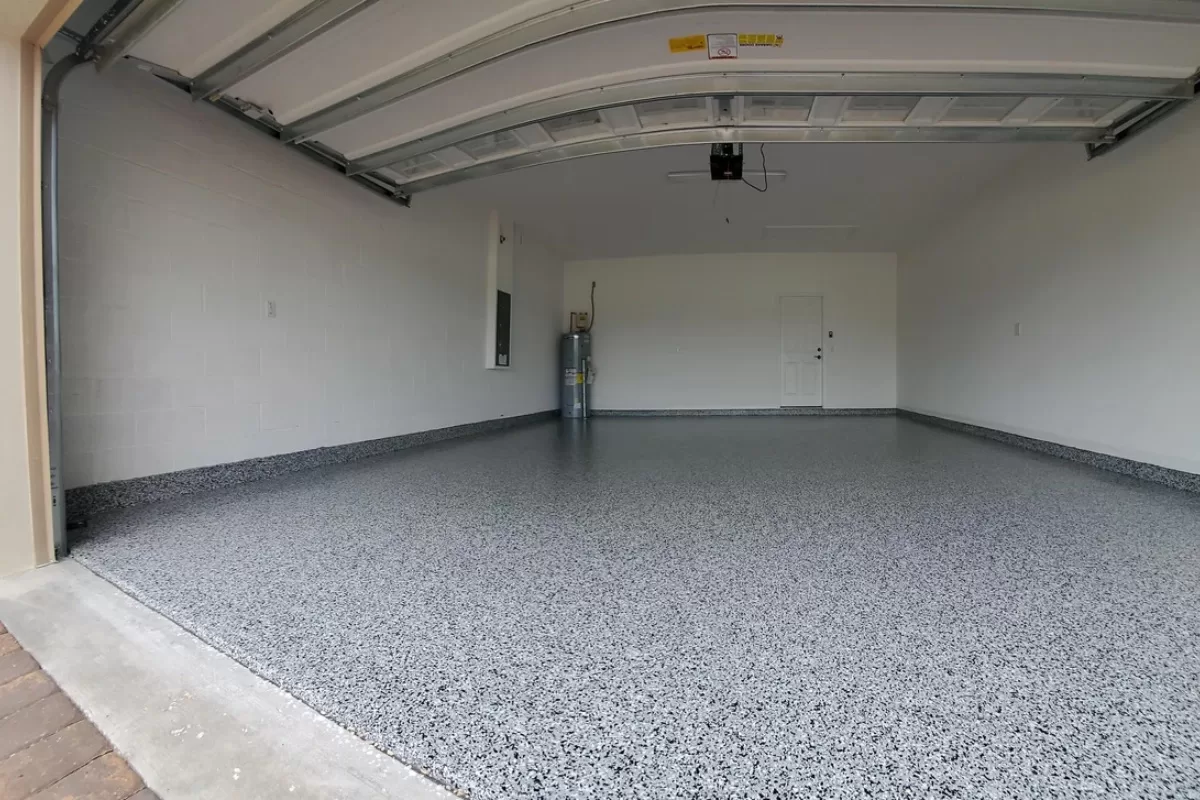
Garage flooring serves as the foundation of one of the most heavily used spaces in a home. At its simplest, it is a surface designed to withstand vehicles, tools, storage, and foot traffic. Options range from bare concrete to protective epoxy coatings, decorative overlays, and specialty finishes that transform a utilitarian floor into a refined and functional space.
Upgrading garage flooring is more than an aesthetic decision. It enhances durability, improves safety with slip-resistant finishes, and simplifies maintenance by resisting stains and spills. An upgraded floor also contributes to the overall appeal of a home, turning a basic garage into a versatile extension of living space.
This guide explores the primary types of garage flooring, design options, installation methods, cost considerations, long-term value, and upkeep. By understanding each facet, homeowners can make informed decisions that balance form and function.
Types of Garage Flooring Solutions
Epoxy Coatings
Epoxy is one of the most popular garage flooring solutions. It forms a hardened, glossy finish that resists abrasions, chemicals, and moisture. Available in a wide range of finishes, epoxy can create a smooth monochrome look or incorporate decorative elements for added personality. Its durability makes it suitable for high-traffic garages and workshops.
Flake Epoxy / Decorative Chips
Decorative flake systems blend epoxy with multicolored chips that provide both style and texture. These chips create a terrazzo-like appearance, adding depth and visual interest. Beyond aesthetics, the flakes improve slip resistance, making the surface safer in garages where water or oil may be present.
Sealers and Concrete Overlays
Sealers penetrate or coat the surface of concrete, offering basic protection against stains and moisture. They enhance the natural look of the slab while reducing dusting and surface wear. Overlays, on the other hand, create a thin new layer of decorative concrete that can be textured or stained for a more polished finish.
Specialty Coatings
For garages exposed to extreme conditions, specialty coatings are available. Polyurea or polyaspartic systems provide rapid curing and exceptional resistance to temperature fluctuations, making them ideal for cold climates or heavy-duty industrial use. These coatings often outperform standard epoxy in flexibility and longevity.
Design & Finish Options
Garage flooring is no longer limited to drab gray surfaces.
- Color Choices: Homeowners can choose from solid colors, natural tones, or bold hues that coordinate with the home’s design. Finishes can range from high-gloss, which reflects light and brightens the space, to matte for understated elegance.
- Textures and Slip Resistance: Flake systems, anti-skid additives, and non-slip topcoats enhance safety without sacrificing style. These options are especially valuable for garages used as multifunctional spaces.
- Decorative Features: Borders, stamped patterns, and even metallic effects can be added to transform an ordinary garage floor into a statement feature. These design touches elevate the space beyond utility, giving it the feel of a showroom.
Installation Process
Proper installation determines the longevity of garage flooring.
- Surface Preparation: The process begins with cleaning, degreasing, and repairing cracks to create a stable base. Old coatings or contaminants are removed to ensure adhesion.
- Application of Coating: Epoxy or other coatings are mixed precisely and applied in layers. Timing is critical, as each layer must cure properly before the next is applied.
- Climate Considerations: Temperature and humidity affect curing times and bonding. In colder environments, specialty formulas or adjusted schedules ensure successful installation.
- Sealing: A final protective topcoat enhances durability and locks in the chosen finish, safeguarding the surface against daily wear.
Cost, Value & Return on Investment
The cost of garage flooring varies depending on square footage, design complexity, type of coating, and the condition of the existing slab. Decorative systems or specialty coatings are generally more expensive than simple sealers, but they also deliver greater longevity.
High-quality coatings extend the service life of concrete floors, protecting them from damage caused by vehicles, chemicals, and moisture. The investment also increases property value by enhancing both curb appeal and functionality. For homeowners considering resale, an upgraded garage floor is a standout feature that signals quality.
Maintenance & Longevity
Garage floors coated with epoxy or polyurea require minimal upkeep. Regular sweeping and occasional mopping with mild cleaners keep them pristine. Harsh chemicals should be avoided, as they can compromise the finish.
Resealing is typically recommended every few years to maintain gloss and protective qualities. If chips, peeling, or stains appear, they can usually be corrected with targeted touch-ups rather than full replacement. Addressing minor issues promptly prevents long-term damage.
Suitability & Local Conditions
Local climate plays a significant role in garage flooring performance. Freeze-thaw cycles can cause unprotected concrete to crack, making durable coatings essential in colder regions. In areas with heavy rainfall or humidity, moisture-resistant finishes prevent warping and delamination.
Garage usage also matters. Floors subjected to heavy machinery, constant vehicle traffic, or exposure to oils require more robust solutions than those used for light storage. The condition of the existing concrete—its cracks, spalling, or unevenness—must be considered before installation.
Comparisons: Garage Flooring vs Alternatives
- Garage Tile / Modular Flooring: Quick to install and replace but less durable than coatings. Tiles can shift under heavy loads.
- Rubber Mats or Roll-Out Flooring: Affordable and easy to install but prone to curling, staining, and limited lifespan.
- Painted Concrete: The least expensive option, but paint wears quickly and offers little resistance to chemicals or abrasion. Epoxy and polyurea coatings outperform these alternatives in durability and aesthetics.
Choosing the Right Contractor
Selecting the right contractor ensures lasting results. Look for professionals with proven experience in garage floor installations and a portfolio of completed projects. References and customer testimonials provide further reassurance.
Key questions to ask include: What type of materials and sealants are used? Is a warranty provided? How is maintenance handled? Viewing previous work, especially in similar climates, demonstrates how the coatings perform over time.
High-quality garage flooring provides a balance of strength, safety, and beauty. It protects against wear, elevates the appearance of the space, and reduces long-term maintenance demands.
Assessing the current condition of your garage and selecting the right solution ensures lasting value. With the help of experienced professionals, a once-overlooked space can become a polished extension of your home. Now is the time to explore design options, request a detailed quote, and create a garage floor that combines resilience with style.
