
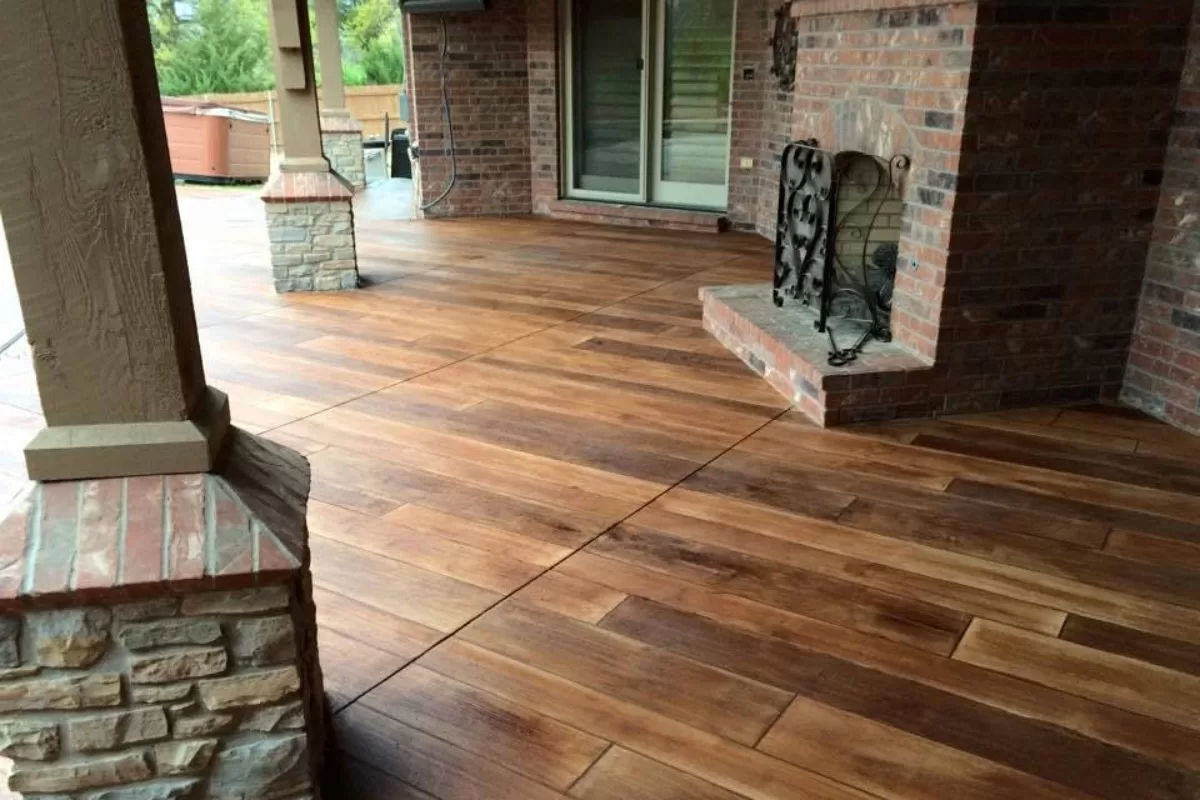
Bringing Natural Warmth to Outdoor Living
The Enduring Appeal of Rustic Design in Modern Backyards
Rustic design captures the essence of warmth, simplicity, and nature. It embraces weathered textures, earthy tones, and organic materials that connect the home to its surroundings. In today’s modern backyards, rustic aesthetics serve as a counterbalance to sleek architecture and minimalist landscaping. They create a space that feels grounded, lived-in, and welcoming—a place where families gather and time slows down.
Why Homeowners Love the Look of Wood Without the Maintenance
Wood patios have long been admired for their organic charm, but they come with a constant battle against moisture, warping, and termites. Homeowners want the look of aged timber without the upkeep—and stamped concrete delivers exactly that. It replicates the grain, knots, and texture of real wood so convincingly that most people can’t tell the difference. Better yet, it requires only simple cleaning and resealing to maintain its beauty year after year.
How Stamped Concrete Achieves the Perfect Rustic Aesthetic
Stamped concrete combines craftsmanship and engineering. Freshly poured concrete is pressed with rubber mats that imprint intricate wood grain textures. Stains and colorants are then applied to mimic natural wood hues—everything from sun-bleached driftwood to deep chestnut. The result is a surface that blends nature’s artistry with man-made durability, achieving rustic perfection without compromise.
Understanding Rustic Wood Stamped Concrete
What Is Wood-Stamped Concrete and How It’s Made
Wood-stamped concrete is a decorative technique that transforms plain concrete into a realistic wood surface. Contractors use large, flexible stamps cast from real wood planks to imprint lifelike grain patterns. Once the impressions are made, coloring agents and release powders bring out contrast and character. The final finish reflects both craftsmanship and longevity—a surface that feels authentic yet built to endure.
The Process of Imprinting Wood Grain Textures and Natural Details
The artistry begins once the concrete reaches the right consistency. Stamps are strategically laid and pressed to capture every knot and line of grain. After imprinting, color hardeners, stains, and antiquing washes are applied to enhance natural tones. Some finishes even include subtle variations and imperfections, echoing the irregular charm of hand-hewn lumber.
Benefits Over Traditional Wood Decking and Paver Patios
Unlike wood, stamped concrete won’t rot, splinter, or fade under constant sun exposure. It’s also resistant to insects, stains, and water damage. Compared to pavers, stamped concrete offers a seamless surface that prevents weed growth and tripping hazards. It delivers the rustic beauty of timber with the long-term reliability of concrete—an unbeatable combination for homeowners who value aesthetics and practicality.
Design Inspirations for a Rustic Concrete Patio
Weathered Barnwood Patterns for a Vintage Countryside Feel
Barnwood textures evoke nostalgia and craftsmanship. With gray undertones, soft browns, and hints of aging, they bring a vintage farmhouse aesthetic to life. These patterns work beautifully in open patios bordered by wildflowers, reclaimed wood furniture, or stone planters. They create a timeless space reminiscent of rural homesteads and sunlit barns.
Driftwood-Inspired Finishes for Coastal Rustic Charm
For a breezier look, driftwood-inspired stamped concrete offers pale grays, sandy taupes, and cool undertones that mirror ocean-washed timber. This style complements coastal or lakeside homes, blending seamlessly with light-colored stone accents, woven furniture, and breezy fabrics. It evokes tranquility—the gentle calm of a shoreline retreat.
Cabin-Style Planks That Complement Natural Landscapes
Cabin-style patterns celebrate rugged beauty. They feature deeper browns and more pronounced grain textures that mimic reclaimed timber beams. Surrounded by evergreens, boulders, or a roaring fire pit, they bring mountain lodge character to any backyard. Each plank design tells a story of warmth, strength, and connection to the natural world.
Choosing the Right Colors and Finishes
Earthy Tones That Mimic Natural Hardwoods
Color is the heart of rustic design. Choose rich hues like walnut, mahogany, oak, or maple to emulate freshly milled lumber. For aged charm, opt for weathered grays or soft beige undertones. Multi-tonal staining techniques can also replicate the subtle variations found in reclaimed wood.
Using Stains and Antiquing Washes for Depth and Character
Stains and antiquing washes elevate realism by adding layers of depth. A base color provides the foundation, while darker accents are applied to settle into grooves and knots, emphasizing texture. This technique gives the illusion of decades of wear, sunlight, and life—authenticity that only grows more appealing with time.
Matte vs. Gloss Sealers: Finding the Perfect Rustic Finish
Matte sealers give a natural, understated appearance—perfect for traditional rustic spaces. Gloss sealers, meanwhile, offer a wet-look finish that enhances color vibrancy and makes cleaning easier. Many homeowners choose a satin finish for balance, achieving the look of aged wood with a hint of modern refinement.
Texture and Pattern Variations for Authentic Appeal
Narrow vs. Wide Plank Impressions
The choice between narrow or wide planks sets the tone for the design. Narrow planks create a refined, classic feel reminiscent of interior hardwood floors, while wide planks lend a more casual, reclaimed aesthetic. Combining both can add depth and movement across large patio surfaces.
Combining Wood Grain Textures with Stone or Brick Borders
Blending textures elevates design sophistication. A wood-stamped patio framed with natural stone or brick borders adds visual definition and contrast. The roughness of stone highlights the smoothness of wood grain, creating a balanced harmony between rustic and refined.
Hand-Cut Joints and Irregular Edges for a Natural Aged Effect
For ultimate authenticity, hand-cut joints mimic the uneven edges of vintage timber planks. Subtle irregularities add character and prevent the surface from appearing too perfect. This handcrafted touch gives the patio an artisanal feel—beautifully imperfect and full of personality.
Incorporating Rustic Patio Features
Pairing Stamped Concrete with Stone Fire Pits and Seating Walls
A stone fire pit surrounded by wood-stamped concrete brings warmth and functionality to outdoor living. The mix of stone and wood textures creates a cozy, natural atmosphere ideal for gatherings under the stars. Built-in seating walls of complementary color tie the entire design together.
Adding Pergolas, String Lights, and Planters for Cozy Ambience
Layering design elements transforms a patio into an inviting retreat. A pergola with hanging lights softens the space and casts a warm evening glow. Rustic planters filled with greenery, herbs, or wildflowers bring life and fragrance, while textured fabrics and furniture enhance the overall sense of comfort.
Blending Rustic Patios with Gardens, Pathways, and Water Features
Rustic patios thrive when seamlessly integrated with the landscape. Pathways of stamped concrete or gravel can lead from the patio to a garden, pond, or fountain. Water features add tranquility, while layered plants blur the transition between the built and natural environment.
Maintenance Tips for Long-Lasting Rustic Beauty
How to Properly Clean and Reseal Stamped Concrete
Routine care preserves both aesthetics and strength. Sweep regularly to remove debris and rinse with mild detergent. Resealing every two to three years restores color vibrancy and shields the surface from moisture and stains. A quality sealer also enhances slip resistance, ensuring safety and longevity.
Preventing Fading, Cracking, and Water Damage
UV-resistant sealers prevent fading caused by sunlight exposure, while moisture barriers guard against freeze-thaw cycles. Avoid using harsh de-icing salts or abrasive cleaners, as they can degrade the surface. Proper drainage around the patio also helps prevent water accumulation and erosion.
Seasonal Care Routines for Year-Round Appeal
In spring, inspect for wear or cracks and clean before the sealing season begins. During autumn, clear leaves promptly to avoid organic stains. In winter, use gentle snow-removal tools to preserve surface integrity. A little care each season ensures the patio’s charm lasts for decades.
Cost and Value Considerations
Comparing Costs of Wood Decks vs. Stamped Concrete Patios
Stamped concrete offers a long-term value advantage. While installation may cost slightly more upfront than basic wood decking, the savings over time are significant. Wood requires frequent staining, sealing, and repairs, while concrete demands minimal upkeep.
Longevity and Return on Investment for Homeowners
Stamped concrete patios can last up to 25–30 years with proper maintenance. Their durability and low maintenance make them a smart investment for homeowners seeking both beauty and practicality. The enduring rustic appearance adds timeless appeal that doesn’t go out of style.
Why Rustic Stamped Concrete Adds Curb Appeal and Resale Value
A well-designed stamped concrete patio enhances curb appeal and property value. Potential buyers appreciate the visual warmth and low maintenance of wood-stamped finishes. It’s a feature that combines charm with functionality—a win for aesthetics and marketability alike.
Perfect Settings for Rustic Wood Patios
Farmhouse-Style Homes with Natural Surroundings
For countryside and farmhouse settings, rustic wood-stamped patios blend effortlessly with nature. Surrounded by gardens, wood fencing, or open fields, they complement the home’s architecture while extending the cozy interior atmosphere outdoors.
Suburban Backyards Seeking Warmth and Personality
Suburban homes often benefit from the rustic touch that breaks the monotony of manicured lawns and uniform structures. Wood-stamped patios introduce warmth and character, creating a welcoming outdoor space for relaxation and gatherings.
Lakeside or Woodland Properties with Organic Design Themes
For lake houses or wooded retreats, the rustic aesthetic feels perfectly at home. When paired with stone walls, water features, or natural landscaping, a wood-stamped patio enhances the tranquil ambiance of the surroundings. It becomes a seamless extension of the natural world.
Creating a Timeless Outdoor Retreat
How Rustic Wood Stamped Concrete Enhances Outdoor Living
Rustic wood stamped concrete bridges the beauty of the past with the innovation of the present. It captures the texture and warmth of natural wood while offering modern endurance. Every plank, groove, and grain tells a story—of craftsmanship, authenticity, and lasting appeal.
Combining Craftsmanship and Creativity for Enduring Charm
Each rustic concrete patio reflects the artisan’s touch. Through skillful stamping, coloring, and finishing, craftsmen transform raw materials into surfaces that age gracefully. The interplay of texture, tone, and design transforms ordinary spaces into extraordinary outdoor retreats.
Inspiring the Perfect Rustic Getaway Right at Home
The true charm of rustic design lies in its ability to make us feel connected—to nature, to home, and to each other. A wood-stamped concrete patio is more than an outdoor surface; it’s a gathering place, a sanctuary, and a timeless expression of comfort and beauty. It’s where nature meets craftsmanship and simplicity meets elegance—creating the perfect rustic getaway right in your own backyard.
