
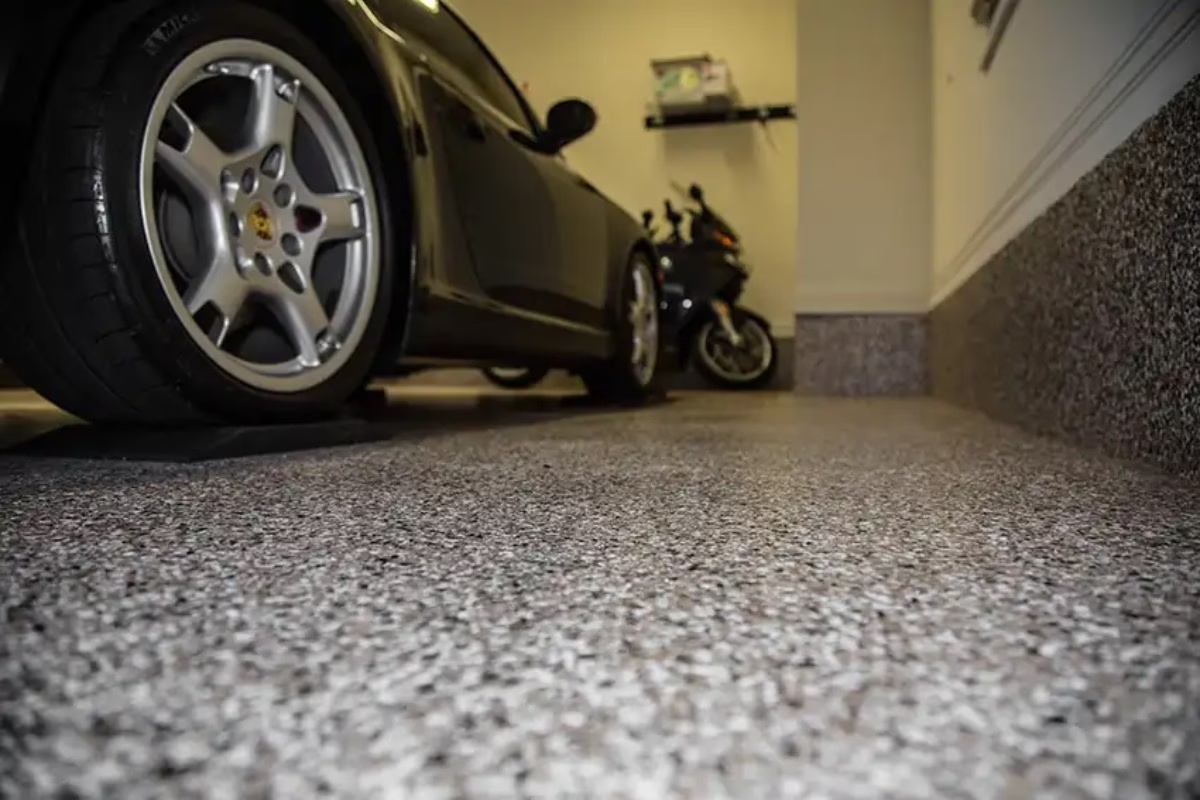
Garage floors take more punishment than nearly any other surface in a home—constant vehicle traffic, oil spills, dropped tools, moisture, and fluctuating temperatures all put flooring materials to the test. If you’re considering a garage upgrade, two of the most popular coating systems are polyaspartic and epoxy. But which one performs best under real-world garage conditions?
Both options offer a seamless, durable finish far superior to bare concrete or standard paint. Yet they differ in key ways—including how they’re applied, how long they last, and how well they resist wear and tear.
This side-by-side comparison of polyaspartic vs epoxy will help you determine the best choice for your garage based on durability, cure time, maintenance, cost, and more.
What Is Epoxy Garage Floor Coating?
Epoxy coatings are resin-based systems that cure into a hard, protective layer. They bond well to concrete and resist many of the common threats found in garage environments—chemicals, moisture, and impact.
There are different types of epoxy coatings (100% solids, water-based, solvent-based), but in general, epoxy:
- Requires multiple coats and longer cure times
- Is thick and visually appealing
- Is best installed in stable weather conditions
Epoxy has long been the industry standard for garage floors, and with proper installation, it can perform well for years. However, it does have limitations in curing speed, UV stability, and long-term flexibility.
What Is a Polyaspartic Garage Floor Coating?
Polyaspartic is a newer generation of coating technology, part of the polyurea family. Originally developed for industrial settings, polyaspartic systems are now widely used in residential garages due to their superior performance in harsh environments.
Unlike epoxy, polyaspartic coatings:
- Cure much faster (often within a few hours)
- Have greater flexibility and UV stability
- Are less sensitive to temperature and humidity during installation
Because of these features, polyaspartic coatings are increasingly considered the premium option for residential garage floors.
Durability and Performance: Which Lasts Longer?
Both systems create strong surfaces, but polyaspartic generally outperforms epoxy in durability:
- Abrasion resistance: Polyaspartic is more resistant to scratches and wear from tires and foot traffic.
- Chemical resistance: Both are resistant, but polyaspartic handles gasoline, oil, and deicing salts better over time.
- Hot tire pickup: Epoxy can peel under hot tires, while polyaspartic resists this issue due to better flexibility and bonding.
- UV resistance: Epoxy can yellow or fade under sunlight exposure; polyaspartic remains color-stable.
Winner: Polyaspartic, especially for garages with high traffic or sun exposure.
Curing Time and Installation Speed
Epoxy coatings typically require 3–5 days to fully cure, meaning your garage will be out of commission for at least that long. Environmental factors like temperature and humidity can delay the process further.
Polyaspartic, on the other hand, cures extremely fast:
- Foot traffic in 1–2 hours
- Vehicle traffic in 24 hours
This fast turnaround makes polyaspartic ideal for busy homeowners who can’t afford to wait several days before using their garage again.
Winner: Polyaspartic, by a wide margin.
Appearance and Finish Options
Both systems offer customizable finishes, including solid colors, decorative flakes, and various gloss levels. However, polyaspartic coatings tend to:
- Provide a smoother, glossier finish
- Resist yellowing or fading over time
- Maintain clarity and sheen longer
Epoxy floors also look great, especially when first installed, but may require a topcoat to maintain appearance and protect from UV.
Winner: Tie—both offer great aesthetics, but polyaspartic holds up better over time.
Maintenance and Long-Term Care
Both epoxy and polyaspartic floors are easy to maintain, but polyaspartic is:
- More stain-resistant
- Less prone to chipping or peeling
- Easier to clean due to higher chemical resistance
Polyaspartic coatings also require less frequent touch-ups or recoating, especially in garages exposed to sun, moisture, or chemicals.
Winner: Polyaspartic
Cost Considerations
Epoxy is generally more affordable upfront, making it an attractive option for budget-conscious homeowners. Polyaspartic costs more due to its performance advantages and faster installation, but that investment often pays off in longevity and reduced maintenance.
Winner: Epoxy for initial cost, Polyaspartic for long-term value
So, Which One Is Best for Your Garage?
Here’s a quick breakdown:
| Feature | Epoxy | Polyaspartic |
| Cure Time | 3–5 days | 24 hours |
| Durability | Good | Excellent |
| UV Stability | Low | High |
| Abrasion Resistance | Moderate | High |
| Chemical Resistance | Good | Excellent |
| Maintenance Needs | Moderate | Low |
| Cost | Lower upfront | Higher upfront |
| Ideal For | Budget-friendly upgrades | Long-term performance & quick use |
In the debate of polyaspartic vs epoxy for garage floors, the right choice depends on your priorities. If you’re focused on a budget solution and don’t mind a longer installation time, epoxy can still serve you well. But if you’re looking for maximum durability, fast return to use, better UV resistance, and minimal upkeep, polyaspartic is the clear winner.
For busy homeowners who want their garage floor to look good and last without the hassle, polyaspartic delivers industry-leading performance—and it’s quickly becoming the preferred choice for modern garage flooring.
