
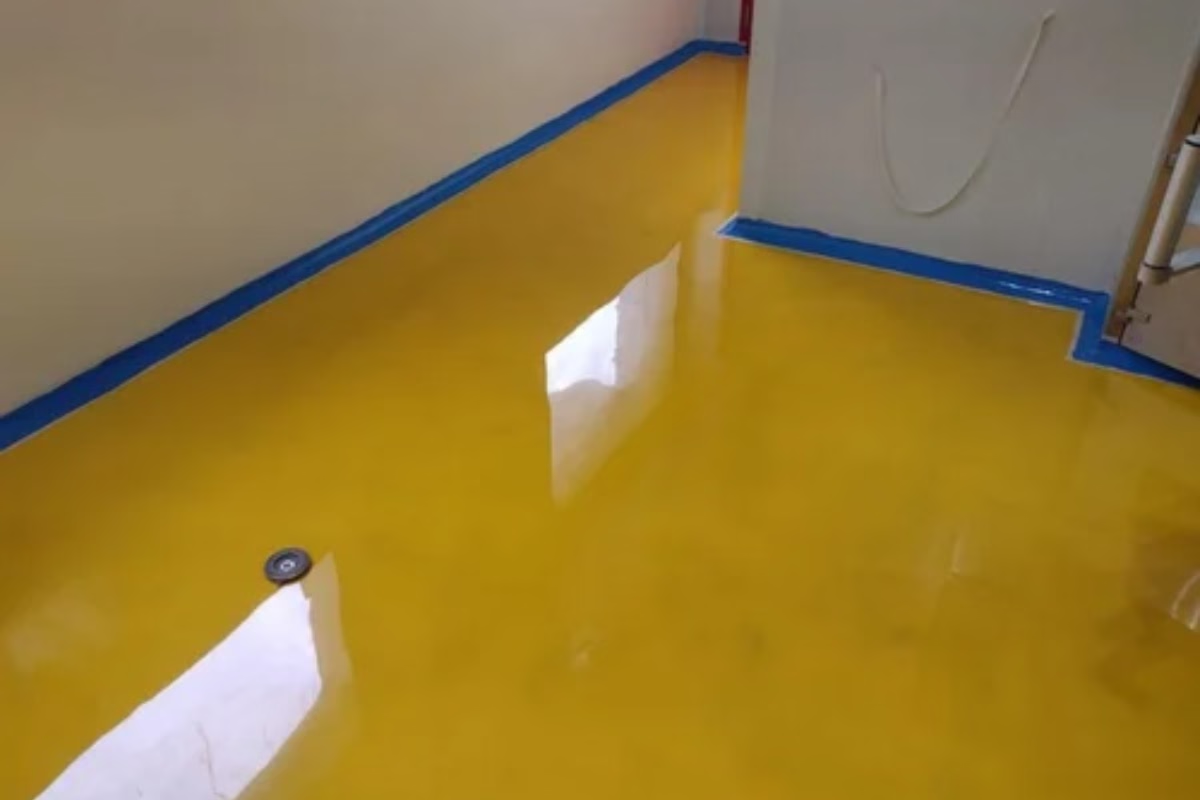
Epoxy flooring is known for its strength, durability, and low maintenance—but it’s the wide range of color options that often surprises homeowners and business owners. Choosing the right epoxy floor colors can elevate the design of your space, hide dirt and wear, and reflect your personal or brand style.
From sleek grays in high-end garages to vibrant hues in commercial showrooms, color plays a key role in both form and function. Whether you’re upgrading your garage, finishing a basement, or refreshing a commercial interior, the right color choice makes all the difference.
In this guide, we’ll explore the most popular and practical epoxy floor colors for different types of spaces, helping you find a finish that matches your needs and vision.
Popular Epoxy Floor Colors for Garages
The garage is one of the most common spaces for epoxy flooring. Here, durability matters—but so does a clean, professional appearance. Homeowners often choose from neutral and textured finishes that complement the rest of the home and minimize visible wear.
Top garage epoxy floor colors:
- Gray: The most popular choice, gray offers a clean, industrial look and easily hides tire marks, dust, and stains. Light gray brightens the space, while darker tones add contrast.
- Tan or beige: These warm neutrals create a softer, more natural look—ideal for garages that double as workspaces or hobby areas.
- Charcoal: A deep, rich tone that hides imperfections well and provides a modern, bold appearance.
- Flake blends (e.g., gray/white/black): Decorative flake systems break up the surface visually and help mask wear and dirt while adding slip resistance.
- Muted blues or greens: For a custom look, soft color tints can add personality without being overwhelming.
Because garages are high-traffic areas exposed to oil, water, and grime, most installers recommend textured finishes with flakes or quartz for both traction and longevity.
Stylish Epoxy Floor Colors for Basements
In basements, color plays a dual role: enhancing aesthetics and brightening a space that may lack natural light. Epoxy floors transform a cold, unfinished slab into a polished surface that feels more like a living area.
Top basement epoxy floor colors:
- Light gray or silver: These tones reflect light and create a clean, open feeling—especially useful in windowless spaces.
- Beige or sand tones: Add warmth and pair well with neutral furnishings for a cozy, finished look.
- Metallic finishes: For a modern edge, metallic epoxy in tones like bronze, pearl, or smoky blue adds depth and movement.
- Warm earth tones: Rich browns or muted reds can help the basement feel more like a main-level room.
- Stone-inspired blends: Colors that mimic slate, granite, or quartz offer elegance and texture without natural stone’s maintenance.
Because basements are prone to moisture, epoxy also provides a moisture-resistant barrier while improving appearance—making color choice both practical and decorative.
Professional Epoxy Floor Colors for Commercial Spaces
In commercial settings, epoxy floors must balance branding, safety, and durability. The right color can define zones, enhance lighting, and reinforce a company’s image—all while withstanding constant foot traffic or equipment use.
Top commercial epoxy floor colors:
- Light gray or white: Clean, reflective tones that enhance lighting—popular in warehouses, labs, and medical facilities.
- Custom brand colors: Offices, retail stores, and showrooms often match floor colors to their logo or branding palette.
- Bold solids (red, blue, yellow): Useful for safety markings or zoning in industrial environments.
- Black or charcoal: High contrast tones offer a sleek, modern feel—often used in automotive showrooms or high-end retail.
- Decorative quartz systems: These multi-color blends add visual texture and slip resistance, ideal for restaurants, salons, or fitness studios.
Many commercial clients opt for multi-layer systems with polyaspartic topcoats to protect color vibrancy and prevent fading in high-exposure areas.
How to Choose the Right Epoxy Floor Color
With so many options available, here are a few key factors to help you choose the right color for your space:
- Lighting: Darker colors absorb light and can make spaces feel smaller, while lighter colors reflect it and brighten the room.
- Maintenance: Mid-tone or textured finishes hide dirt and scuffs better than pure white or dark black.
- Use case: Garages may need more utilitarian finishes, while basements and commercial spaces can benefit from decorative flair.
- Design style: Consider how the floor color pairs with walls, furniture, or equipment.
- Personal or brand expression: Especially in offices or showrooms, color can help reinforce identity and tone.
Professional installers can also show real-life samples and digital renderings to help you visualize your choice before installation.
Choosing from the wide variety of epoxy floor colors allows you to customize your space for performance, cleanliness, and style. Whether you want a polished look in your garage, a warm finish for your basement, or a bold statement in your commercial space, there’s a color solution to match.
By understanding what works best in each environment—and how light, traffic, and design play into your decision—you can get the most out of your epoxy floor for years to come.
