
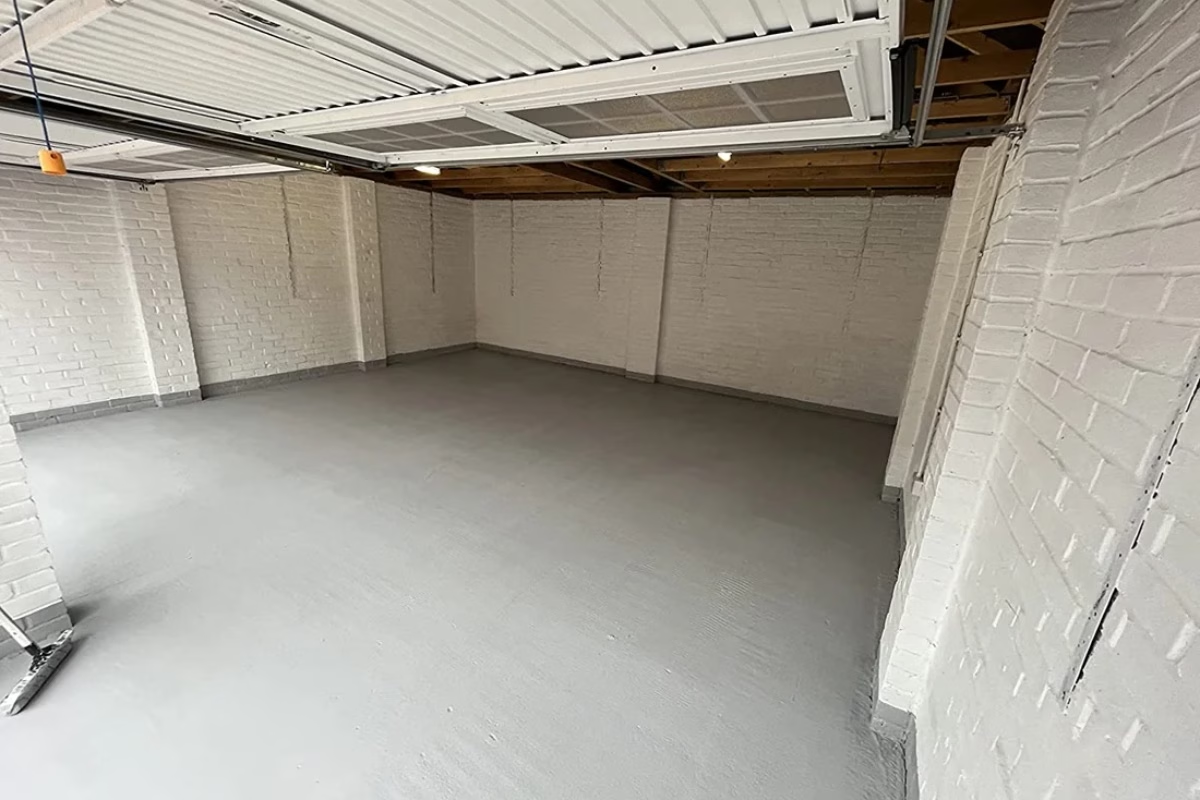
Garage floors take a beating—from car tires and dropped tools to oil spills and winter salts. Over time, even coated surfaces can show signs of wear, leading homeowners to consider refreshing the surface. A common question that comes up is: Can you do garage floor painting over an existing coating? The answer is yes—but it depends on a few critical factors.
Painting over a previously coated garage floor isn’t as simple as applying a fresh coat. It requires careful preparation, the right materials, and a solid understanding of what’s already on the floor. Without these, the new paint layer may peel, bubble, or fail prematurely.
This article walks you through the key considerations for painting over coated garage floors and explains why professional recoating often leads to longer-lasting results.
What’s on Your Garage Floor Now?
Before diving into a new paint job, it’s essential to determine what type of coating already exists on your garage floor. Common materials include:
- Epoxy coatings – A resin-based, high-strength system known for its glossy finish and chemical resistance.
- Polyaspartic coatings – A fast-curing, UV-stable coating with industrial-grade durability.
- Latex or acrylic garage paints – Usually used in DIY projects, less durable and more prone to failure over time.
The type of coating present will impact how well a new layer of paint will adhere. Epoxy and polyaspartic coatings are designed to resist wear—and by extension, resist bonding with new layers if not properly prepared.
Why Typical Garage Floor Paint Often Fails Over Coatings
If you’re thinking about simply applying standard floor paint over an old coating, there are a few problems to consider. Coatings are intentionally non-porous and resistant to chemicals and moisture, which makes them great for durability—but challenging for new paint to stick to.
Common reasons garage floor paint fails on coated surfaces:
- Poor surface bonding: Smooth, sealed finishes don’t give paint anything to grip.
- Chemical incompatibility: Paints may not interact well with cured coatings.
- Moisture interference: Trapped moisture can lead to peeling or bubbling.
- Lack of proper prep: Failing to clean, grind, or prime the surface leads to poor adhesion.
These issues mean that most off-the-shelf garage floor paints simply aren’t engineered to perform well over cured epoxy or polyaspartic systems.
The Correct Process for Painting Over a Coated Garage Floor
If you still want to pursue garage floor painting over an existing coating, know that extensive surface prep is non-negotiable. Here’s what professionals do before applying any new layer:
- Deep Cleaning
Remove oil, grease, and contaminants using degreasers and scrubbers. - Mechanical Surface Profiling
Diamond grinding or sanding the surface creates the texture needed for paint or recoating systems to bond. - Crack Repair
Address surface imperfections with epoxy fillers or patch compounds. - Moisture Testing
Confirm the slab is dry enough to accept a new layer. Moisture vapor pressure is a leading cause of coating failure. - Priming (if required)
Some garage floor paints or recoating systems require primers designed to bond with slick surfaces.
Even with this preparation, applying standard garage paint over professional coatings can still be risky. That’s why many installers recommend a full recoat using compatible materials rather than paint.
Why Professional Recoating Is Often the Better Option
Instead of applying basic floor paint, many professionals recommend recoating with the same or a compatible system—especially if the original floor is epoxy or polyaspartic.
Benefits of professional recoating over painting:
- Superior adhesion and durability
- Customization options (color, flakes, texture)
- Slip-resistant finishes
- UV-stable topcoats
- Fewer risks of peeling or blistering
- Longer lifespan—up to 10–15 years with proper care
Professional installers also have access to high-grade materials and the equipment needed for proper surface prep—something DIY painting often lacks.
When to Avoid Painting Altogether
There are situations where painting is not advised, even with surface prep:
- The current coating is delaminating or lifting.
- There are deep cracks or moisture problems.
- Multiple past layers of paint or coatings are present.
- The floor has significant oil contamination that can’t be fully removed.
In these cases, removing the old coating and starting fresh with a professionally installed system may be the only way to ensure a successful, long-lasting finish.
Garage floor painting over an existing coating can be done—but only with the right preparation, materials, and expectations. For the average homeowner, it’s not as simple as rolling on a new layer of paint. If the original coating is epoxy or polyaspartic, a professional assessment and proper surface preparation are essential.
In most cases, a recoat using compatible, high-performance systems offers better longevity, appearance, and protection than standard paint. Whether you’re looking to refresh a worn surface or update your garage’s look, investing in the right process will ensure your floor stays beautiful and durable for years to come.
