
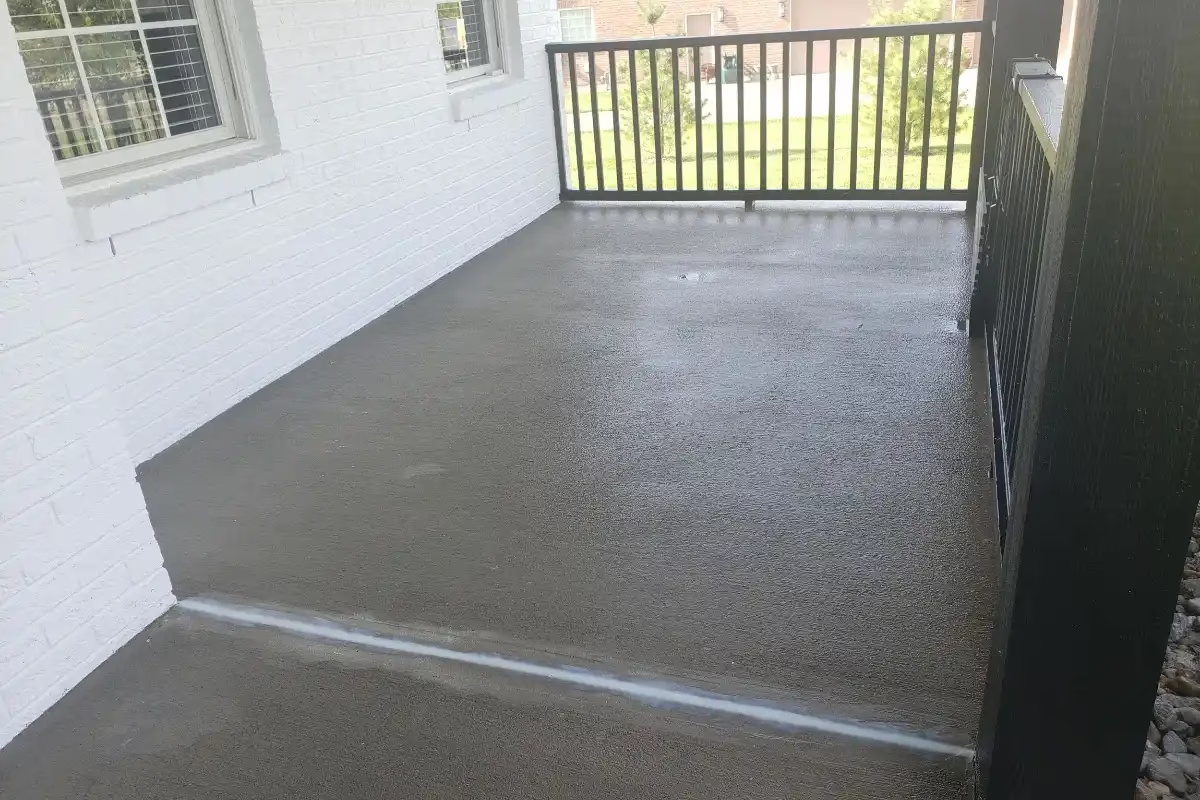
Concrete is one of the most durable building materials available—but even the toughest surfaces eventually show signs of wear. Cracks, stains, spalling, and uneven coloring are common as driveways, patios, garage floors, and walkways age. These issues may make a space look neglected or even pose safety risks. But replacing an entire slab isn’t always necessary—or cost-effective.
Enter concrete resurfacing, a professional technique that can make tired concrete surfaces look and perform like new. Rather than demolishing and re-pouring, resurfacing breathes new life into existing concrete through a specialized overlay system. It’s faster, more economical, and offers a wide range of aesthetic options.
This guide walks you through what concrete resurfacing is, how it works, and when it’s the right choice for your home or business.
What Is Concrete Resurfacing?
Concrete resurfacing is the process of applying a thin cement-based overlay to existing concrete surfaces. This overlay bonds to the old concrete and restores its appearance, durability, and slip resistance—without removing the underlying slab.
Resurfacing is not a superficial coating or paint; it’s a structural solution that includes polymer-modified compounds engineered to adhere securely and perform under traffic, weather, and weight.
Professionals use resurfacing for a variety of concrete areas, including:
- Driveways
- Sidewalks and walkways
- Garage floors
- Patios and pool decks
- Basement floors
- Commercial entryways
Depending on the product and method, resurfaced concrete can mimic the look of stone, tile, brick, or even wood—offering decorative appeal alongside durability.
How Does Concrete Resurfacing Work?
The resurfacing process involves several carefully executed steps that ensure a long-lasting, high-performance result. Here’s how it typically unfolds:
- Surface Assessment and Repair
The existing concrete is inspected for major structural issues. Resurfacing only works when the base slab is stable—large cracks, heaving, or severe damage may require replacement instead. Minor cracks or holes are repaired with patching compounds that blend seamlessly into the surface. - Cleaning and Surface Preparation
The slab is thoroughly cleaned using pressure washers or degreasers to remove oils, dirt, and contaminants. This step ensures the resurfacer bonds properly. If needed, grinding or shot blasting may be used to create the right surface profile. - Mixing the Resurfacing Compound
A cementitious overlay mixture is prepared. These compounds are typically fortified with polymers and additives that improve bonding strength, flexibility, and performance. - Application of the Overlay
The resurfacer is poured and spread across the concrete using specialized tools like squeegees or trowels. Depending on the chosen finish, installers may use stamping mats, stencils, or texture rollers at this stage. - Finishing and Curing
Once applied, the surface is allowed to cure and harden. In most cases, light foot traffic is possible within 24 hours, and vehicle traffic within a few days. Sealing may also be applied for added protection and longevity.
When Should You Consider Concrete Resurfacing?
Concrete resurfacing is an ideal solution in many cases, but it’s not always the right approach. Here’s when it makes the most sense:
- Visible Surface Wear
If your concrete has surface-level damage—like small cracks, discoloration, or spalling—resurfacing restores the appearance without the need for full replacement. - Uneven Texture or Slippery Surface
Resurfacing can add slip-resistant textures or smooth out uneven finishes, improving safety in walkways, garages, or pool areas. - Cosmetic Upgrades
Want to upgrade a boring or outdated concrete finish? Resurfacing can incorporate stains, color tints, decorative stamps, and patterns for a brand-new look. - Budget-Conscious Renovations
Resurfacing is often 30–70% less expensive than tearing out and re-pouring concrete. It’s a budget-friendly way to increase curb appeal or floor functionality. - Quick Turnaround Needed
For homeowners or businesses needing fast project completion, resurfacing offers quicker installation and less downtime than full replacement.
Signs Resurfacing Might Not Be Enough
While resurfacing works wonders in many cases, there are situations where replacement is necessary. It may not be the right solution if:
- The concrete has major structural damage or deep cracks that affect the integrity of the slab.
- There is significant shifting or settling.
- Moisture problems are present beneath the slab, leading to instability or persistent surface issues.
Professionals will typically perform an evaluation to determine whether resurfacing is viable or if a full replacement is required.
Decorative and Functional Options with Resurfacing
One of the biggest advantages of resurfacing is the design flexibility it offers. Homeowners and commercial property owners can customize the finish to fit their space’s aesthetic and functional needs.
Popular options include:
- Stamped overlays for the appearance of brick, stone, slate, or wood.
- Troweled finishes for a clean, modern look.
- Stained or dyed overlays to add rich, permanent color.
- Quartz or flake systems for textured, slip-resistant surfaces.
- Polished concrete finishes for high-gloss, elegant interiors.
The result is a custom, one-of-a-kind surface that performs just as well as it looks.
Why Professional Resurfacing Matters
While DIY resurfacing kits exist, they rarely match the durability, consistency, or appearance of professional applications. The process involves technical skill, specialized equipment, and a deep understanding of surface preparation and material behavior.
Professional installers like Gresham Concrete Coatings use industrial-grade products and proven processes to deliver long-lasting, beautiful results. Proper mixing ratios, curing conditions, and surface treatments ensure the new overlay bonds properly and resists weather, traffic, and time.
Concrete resurfacing is a powerful solution for rejuvenating worn or outdated concrete surfaces—without the time, mess, or cost of full replacement. Whether you’re dealing with faded driveways, cracked walkways, or dull garage floors, resurfacing offers a blend of beauty and performance that extends the life of your investment.
When done by experienced professionals, resurfaced concrete doesn’t just look new—it acts new, with enhanced durability, slip resistance, and design possibilities. It’s one of the most efficient ways to upgrade the look and function of your concrete spaces while maximizing value.
