
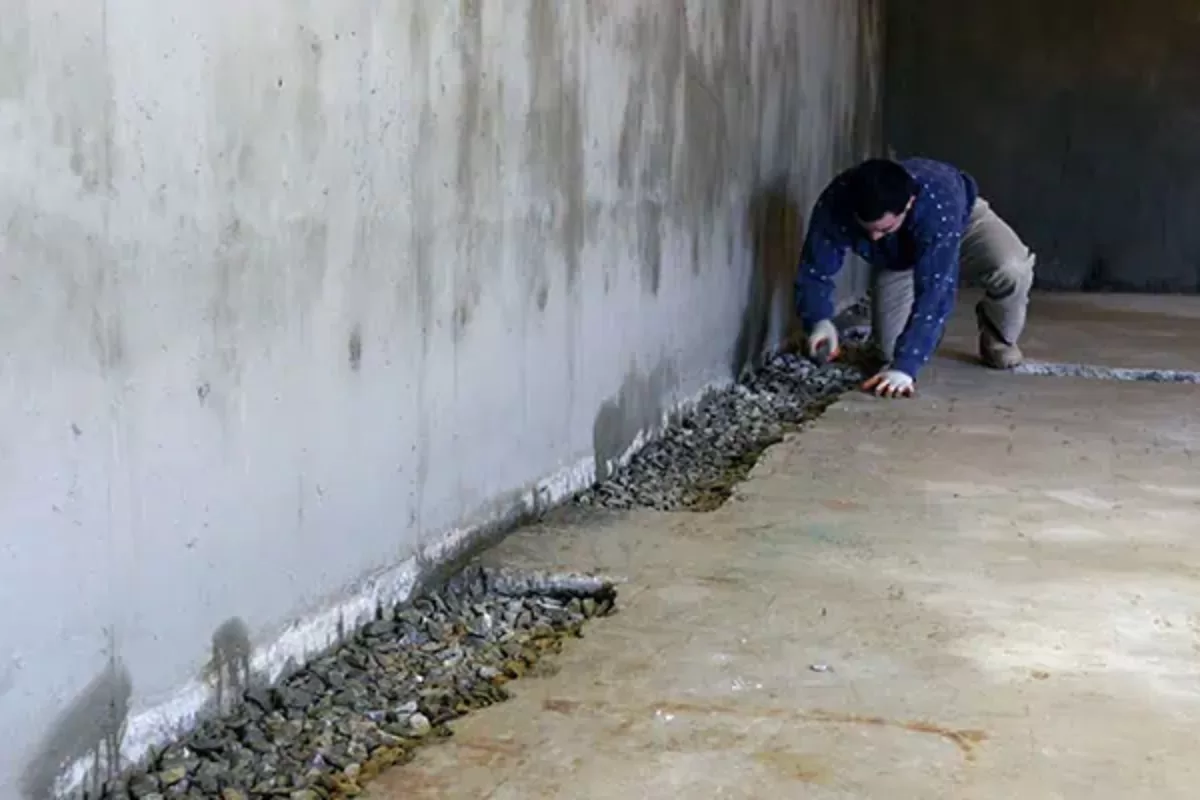
Basement waterproofing is the art and science of keeping subterranean spaces dry, fortified, and habitable. It involves a series of techniques and materials designed to shield basements from the relentless intrusion of groundwater and surface moisture. At its core, waterproofing is about defense—protecting the very foundation of a home.
The importance cannot be overstated. A properly waterproofed basement prevents mold from flourishing, stops structural decay before it starts, and preserves the long-term market value of a property. Yet many homeowners believe that because their basement “looks dry,” there is no cause for concern. This misconception often leads to costly repairs when hidden seepage eventually reveals itself through damage. Moisture is insidious—it seeps, evaporates, and condenses in ways that the untrained eye may miss until it is too late.
A basement rarely stays silent when it needs protection. Clues often emerge gradually:
- Water stains or damp patches mar the walls and floor, often in corners or near joints.
- Musty odors betray hidden dampness, signaling stagnant moisture and poor air circulation.
- Efflorescence, the chalky white residue of salts migrating through concrete, appears like ghostly fingerprints of water movement.
- Peeling paint or bubbling wall coatings hint at underlying seepage.
- Mold or mildew growth, with its characteristic dark blooms, signals elevated humidity levels.
- Cracks in the foundation or widening floor joints provide open invitations to water.
- Pools of water forming after heavy rains indicate active infiltration that requires urgent attention.
These symptoms are not merely cosmetic—they are the early warnings of structural compromise.
Types of Basement Waterproofing Methods
Interior Methods
- Sealants and coatings form protective layers, creating vapor barriers or sealing porous concrete. While effective for minor moisture, they are not a cure-all.
- Interior drainage systems, such as French drains or trench drains, capture water and redirect it to a safe discharge point.
- Sump pumps act as the workhorses of interior waterproofing, pumping water away from the foundation before it rises to damaging levels.
Exterior Methods
- Waterproof membranes applied to the exterior walls form a robust shield against hydrostatic pressure.
- Excavation with exterior drains creates a pathway for water to escape before it can reach the foundation.
- Grading and landscaping ensure that surface water flows away rather than toward the home.
Combined Approaches
Often, the most resilient solution combines both interior and exterior measures. This layered defense addresses both symptoms and root causes, offering peace of mind against even the heaviest rains.
Waterproofing Materials & Coatings
- Sealants and penetrating sealers penetrate the pores of concrete, reducing permeability and stopping capillary action. They are affordable but limited in scope.
- Liquid membranes are painted or sprayed onto surfaces, creating seamless coverage. Sheet membranes, on the other hand, provide thicker, mechanically bonded protection.
- Epoxy and polyurethane coatings add durability and chemical resistance, ideal for basements doubling as finished living spaces.
- Vapor barriers serve as invisible shields, reducing condensation and humidity transfer.
- Crystalline admixtures react within concrete itself, forming insoluble crystals that block water pathways.
Each material comes with trade-offs—some excel in durability, others in cost-effectiveness, and some require specialized application. Choosing wisely can mean decades of protection.
Preparing Your Basement for Waterproofing
Preparation determines the success of any waterproofing effort. The process begins with inspection and assessment, locating leaks, hairline fractures, and hidden sources of water intrusion. Next comes surface preparation—scraping away old coatings, cleaning efflorescence, and patching cracks.
The structural condition of floors and walls must be verified, ensuring they can support coatings or membranes. During and after the process, ventilation and climate control are essential to regulate curing, minimize condensation, and stabilize the environment. A basement prepared with diligence ensures that waterproofing solutions perform to their fullest potential.
Professional vs DIY Waterproofing
Professional services encompass a suite of expertise: diagnostic testing, targeted application of systems, and the assurance of warranties. Professionals bring precision to complex problems, ensuring that drainage, coatings, and structural integrity are addressed holistically.
Costs vary widely. The size of the basement, severity of infiltration, chosen method, and geographical water table all influence pricing.
DIY solutions may seem appealing for their lower upfront cost, but risks abound. Improper preparation, reliance on cheap materials, or overlooking hidden leaks can lead to repeat failures. Still, for minor leaks or simple sealant jobs, a careful homeowner may find success. For more extensive needs, however, professional expertise is indispensable.
Cost-Benefit & Long-Term Value
Neglecting waterproofing is perilous. Water intrusion can erode foundations, warp framing, and foster mold that compromises air quality. Remediation costs often dwarf the investment required for proactive waterproofing.
A waterproofed basement is not just dry—it is usable. It can be finished with flooring, storage systems, or even converted into living space, all of which elevate property value. Beyond aesthetics, the financial savings from reduced repairs and health risks accumulate over time, making waterproofing a high-return investment.
Case Studies / Real-World Examples
Homes once plagued with ankle-deep flooding have been transformed into dry, functional spaces after waterproofing. Before-and-after contrasts are striking: efflorescent, crumbling walls restored to pristine finishes; sump pump systems quietly managing torrents of water; families reclaiming space once abandoned.
Companies such as Gresham Concrete Coatings have demonstrated how modern methods can revive even the most compromised basements. Customers consistently remark not only on the dryness achieved but on the peace of mind restored.
Maintenance & Aftercare
Waterproofing is not a one-time event—it requires vigilance. Routine inspections of gutters, downspouts, and grading prevent water from collecting near foundations. Humidity management through dehumidifiers and ventilation keeps the air fresh and mold-resistant.
Coatings and sealants may require reapplication over time, especially in high-pressure zones. Early warning signs—such as hairline cracks or damp spots—should be addressed immediately, preventing small problems from becoming major repairs.
Basement waterproofing is an essential investment in the longevity and safety of a home. By acting early, homeowners avoid structural decay, health hazards, and financial loss. Choosing the right method—and the right contractor—creates lasting resilience against water’s persistent advance.
The best time to protect a basement is before disaster strikes. Secure your foundation, preserve your property’s value, and reclaim your underground space with confidence.
