
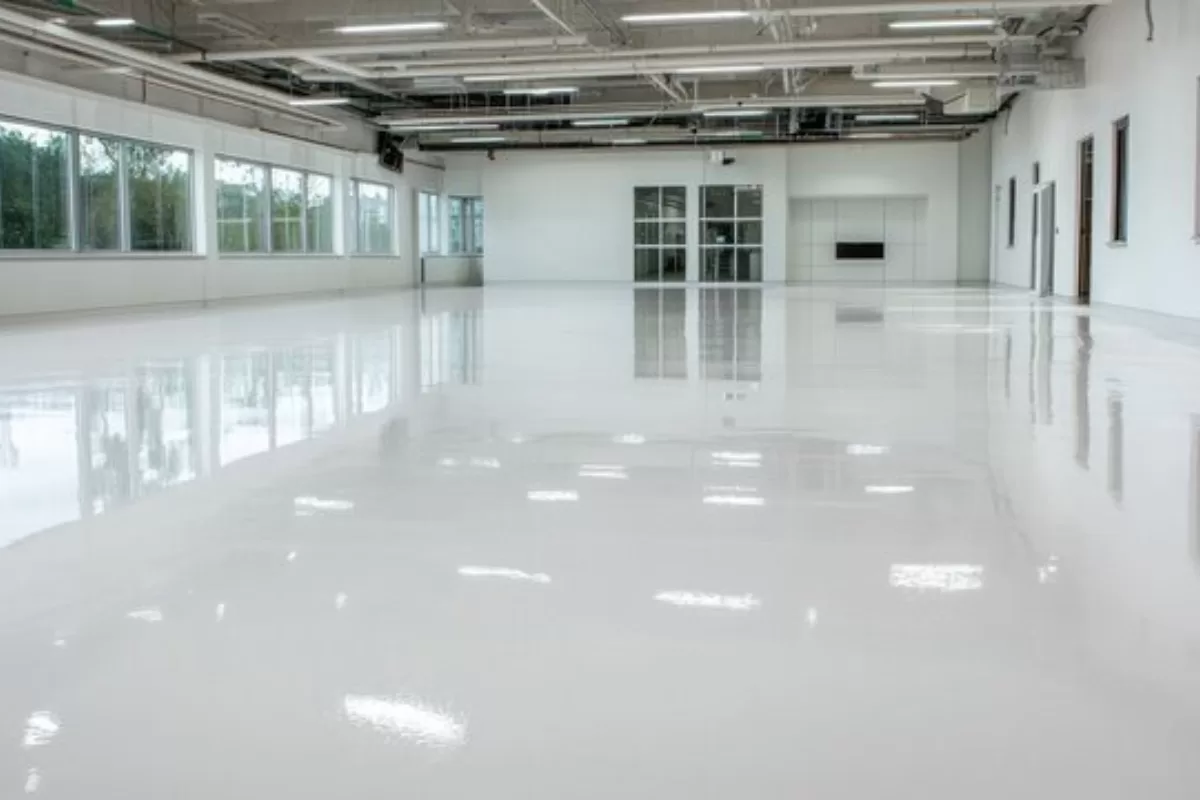
Why epoxy flooring is dominating modern workspaces
Modern businesses demand flooring systems that offer strength, elegance, and a sense of architectural cohesion. Commercial epoxy flooring has emerged as the preferred solution for companies seeking modern, durable, visually compelling work environments. Its seamless finish and polished aesthetic instantly elevate the atmosphere of corporate, industrial, and retail spaces. Epoxy flooring aligns with the clean, contemporary design trends dominating today’s commercial landscapes, where form and function must coexist in perfect balance. Short sentences highlight clarity. Longer passages emphasize sophistication, versatility, and enduring performance.
Core advantages for commercial environments
Epoxy flooring withstands relentless foot traffic, heavy equipment, chemical exposure, cleaning cycles, and daily wear. It is remarkably resilient. It does not chip easily. It resists stains. It enhances lighting efficiency with its naturally reflective surface. Because epoxy is non-porous, it prevents moisture infiltration and simplifies sanitation—vital for industries that prioritize cleanliness. Its low maintenance requirements and long lifespan make it a smart investment for forward-thinking companies.
Understanding Epoxy Flooring Systems
How epoxy coatings work
At its core, epoxy flooring is created by combining resin and hardener into a reactive mixture. This fusion triggers a curing process that produces a dense, rock-solid surface. Once the chemical bond forms, the floor becomes significantly stronger than standard concrete. The result is a smooth, unified surface with exceptional resistance to abrasion and impact. This seamlessness eliminates creases or grout lines where dirt tends to accumulate. It brings both visual refinement and hygienic advantages.
Types of epoxy systems for commercial use
Commercial settings often require specialized systems tailored to their operational needs. Self-leveling epoxy provides a smooth, contemporary appearance ideal for offices and showrooms. Flake epoxy improves slip resistance and adds decorative texture. Quartz epoxy delivers unmatched traction and durability, suitable for labs and medical facilities. Metallic epoxy brings dramatic, high-end artistry to lobbies and presentation spaces. Mortar-grade epoxy, the toughest of all, is engineered for factories, logistics hubs, and machine-heavy environments.
Design Concepts for Modern Workspaces
Sleek minimalistic epoxy layouts
Minimalism thrives in modern commercial design. Smooth, uninterrupted epoxy surfaces align perfectly with this aesthetic. Colors such as soft gray, warm taupe, pearl white, or graphite create a clean visual canvas that reduces visual noise within a workspace. Minimalistic epoxy complements glass walls, metal accents, and modern lighting—creating a sense of clarity, efficiency, and architectural intentionality.
Industrial-inspired finishes
Many contemporary workspaces embrace industrial design elements—exposed beams, black metal framing, raw textures, and open ceilings. Metallic epoxy or matte stone-inspired coatings pair seamlessly with these themes. Their subtle swirls and mineral-like undertones bring depth and character. This design direction particularly appeals to tech companies, manufacturing divisions, and creative studios.
High-gloss contemporary aesthetics
High-gloss epoxy provides a bold, polished look. It reflects natural and artificial light, brightening large spaces and giving them a refined, showroom-quality sheen. This finish is especially effective in high-end retail environments, galleries, luxury offices, and automotive dealerships. It communicates precision and professionalism instantly.
Color Trends for Commercial Epoxy Flooring
Neutral palettes for corporate settings
Sophisticated workplaces often gravitate toward neutral tones because they promote focus and calm. Shades like slate gray, driftwood beige, charcoal, and cloud white integrate naturally with office furniture and branding elements. Neutral epoxy colors also improve flexibility in redesigns—the floor complements future décor changes effortlessly.
Bold tones for creative industries
Creative environments thrive on energy, inspiration, and vibrant color palettes. Deep cobalt blues, terracotta reds, forest greens, or brand-specific colors can dramatically influence the mood of a workspace. Bold epoxy tones reflect a company’s personality and help create an identity that resonates with employees and clients.
Multi-tone blends for dynamic interiors
Multi-tone epoxy, which incorporates blended pigments or speckled accents, delivers visual dimension and hides minor scuffs. This makes it ideal for high-traffic zones. The interplay of light and dark tones creates movement and adds a sense of dynamism—perfect for open-plan offices, recreational areas, and collaborative hubs.
Texture and Pattern Options
Flake epoxy for slip-resistant work zones
Flake epoxy integrates broadcast flakes into the surface to enhance both texture and traction. The flakes come in countless color combinations, allowing businesses to create branded or thematic designs. The texture increases safety in hallways, break rooms, and transitional areas. Flake epoxy also hides imperfections, making it a popular choice for older concrete slabs.
Quartz epoxy for durability and traction
Quartz epoxy incorporates crushed quartz granules to form a surface that is exceptionally durable. It is engineered for demanding environments—food prep areas, laboratories, hospitals, and industrial facilities. The texture provides superior grip, while the mineral-infused finish adds understated elegance.
Metallic epoxy for high-end visual appeal
Metallic epoxy is breathtaking. It swirls with shimmering pigments, creating effects reminiscent of molten metal, marble, or liquid stone. Metallic epoxy transforms reception areas, lobbies, and executive offices into captivating architectural statements. This flooring is often found in businesses that prioritize first impressions or emphasize design-forward branding.
Zoning and Wayfinding with Epoxy
Using colors to define workflow areas
Epoxy flooring allows businesses to incorporate functional zoning directly into the floor itself. Different colors or patterns can mark production lines, packing zones, meeting areas, or collaborative spaces. This improves organization, increases workflow efficiency, and enhances the visual rhythm of the workspace.
Incorporating safety markers and directional cues
Safety stripes, hazard zones, directional arrows, and instructional graphics can be embedded into the epoxy layer rather than painted on top. The result is long-lasting, abrasion-resistant wayfinding that will not peel or fade under heavy traffic. This is essential for warehouses, manufacturing plants, and healthcare facilities.
Epoxy for High-Traffic Areas
Reinforced systems for warehouses
Warehouses face extreme demands: forklifts, rolling carts, stacked inventory, oil spills, and heavy impacts. Reinforced epoxy systems—such as mortar epoxy or high-build coatings—support immense pressure without cracking. They protect the concrete slab below, reduce dust, and create safer traffic paths for equipment.
Impact-resistant coatings for production floors
Manufacturing floors require surfaces that can handle dropped tools, vibrating machinery, chemical exposure, and repetitive daily stress. High-strength epoxy provides shock absorption and prevents the surface from deteriorating prematurely. This ensures smoother operations and fewer disruptions.
Epoxy for Office and Retail Spaces
Creating modern, polished office aesthetics
Epoxy lends a refined, contemporary look to corporate settings. Its seamless surface reduces dust accumulation, improving indoor air quality. Smoother floors also produce quieter foot traffic, contributing to a more comfortable office environment. Natural light reflects gently off epoxy, brightening the workplace and lifting employee morale.
Enhancing customer-facing retail environments
Retail flooring must be both beautiful and durable. Epoxy’s high-gloss finishes, decorative flakes, and vibrant metallic tones transform stores into memorable, aesthetically compelling spaces. The flooring withstands shopping carts, spills, and constant foot traffic while maintaining a polished appearance.
Specialty Epoxy Solutions
Anti-static and ESD epoxy floors
Electrostatic-dissipative epoxy protects sensitive technologies and electronics. It minimizes static discharge, preventing equipment damage and improving safety in server rooms, tech labs, and manufacturing facilities that handle delicate components.
Chemical-resistant epoxy for labs and facilities
Labs, medical centers, industrial kitchens, and chemical processing businesses require flooring that can withstand corrosive substances. Chemical-resistant epoxy prevents surface breakdown when exposed to acids, oils, solvents, and cleaning agents. It maintains structural integrity while simplifying sanitation.
Maintenance and Longevity
Simple cleaning routines
Epoxy floors are effortless to maintain. A regular sweeping schedule, occasional mopping, and light scrubbing are usually enough to preserve their appearance. Since the floor is non-porous, spills stay on the surface instead of seeping into the material.
How epoxy extends the lifecycle of commercial flooring
Because it resists scratches, impact, and chemical damage, epoxy vastly extends the lifespan of commercial floors. It reduces long-term repair costs, decreases operational downtime, and maintains its aesthetic integrity even under demanding conditions.
Common Mistakes to Avoid
Selecting the wrong epoxy system
Each workspace has different needs. A decorative epoxy suitable for an office may not withstand the demands of an industrial facility. Choosing the wrong system leads to premature wear and unnecessary expenses.
Neglecting surface preparation
Proper preparation—grinding, patching, cleaning—is the foundation of epoxy longevity. Without it, coatings may blister, peel, or fail to bond correctly.
Ignoring environmental conditions during installation
Humidity and temperature impact curing. Installing epoxy in adverse conditions creates imperfections, weakens adhesion, and jeopardizes the final finish.
Choosing a Professional Epoxy Installer
What to look for in a commercial flooring contractor
Businesses should prioritize contractors with proven expertise, an extensive portfolio, strong technical knowledge, and high-quality materials. Reviewing case studies and verified reviews ensures confidence.
Importance of quality materials and proven craftsmanship
Superior epoxy products paired with skilled workmanship result in flooring that performs flawlessly for years. Craftsmanship determines whether the final surface is smooth, level, durable, and visually cohesive.
Why epoxy flooring remains the superior choice for modern commercial spaces
Commercial epoxy flooring merges sleek design, advanced performance, and extraordinary durability. It adapts to countless industries and consistently outperforms traditional flooring options.
Whether aiming for minimalist elegance, industrial authenticity, or high-end artistry, epoxy flooring transforms the workspace into a modern, efficient, and visually compelling environment built for the future.
