
Concrete is tough—until it’s not. One season of freeze-thaw cycles, a few oil stains, or relentless UV exposure, and suddenly your concrete looks worn, patchy, or just plain tired. The truth? Unsealed concrete is vulnerable. But here’s the good news: with the right sealing techniques, your concrete can stay sleek, strong, and stunning for years.
Enter the world of concrete sealing hacks—the insider secrets that go beyond basic application. These tricks aren’t just for preserving your surface. They’re about enhancing it. Think better color retention, easier maintenance, boosted weather resistance, and that professional finish most people pay big money for.
Whether you’re sealing a garage floor, a driveway, a pool deck, or a patio, these underrated tips will change how you think about concrete protection. Let’s get into it.
Start With the Right Sealer for the Job
Not all sealers are created equal. Choosing the wrong one is like wearing flip-flops to a snowstorm—pointless and painful.
Here’s the quick breakdown:
- Acrylic Sealers: Great for decorative concrete. These offer fast drying and a glossy finish but need reapplication every 1–3 years. Available in water-based or solvent-based formulas.
- Penetrating Sealers: These soak into the concrete, offering invisible, long-lasting protection from within. Perfect for driveways, sidewalks, and areas exposed to freeze-thaw cycles.
- Epoxy Sealers: Durable and glossy. Ideal for garage floors and industrial spaces. These resist stains, abrasions, and chemicals—but are not UV-friendly unless top-coated.
- Polyurethane Sealers: Extremely tough and UV-resistant. Ideal for high-traffic areas. Adds a high-end finish but requires proper prep and application.
Hack #1: Mix and match. Use a penetrating sealer first to protect from within, then layer an acrylic or polyurethane for a glossy, decorative topcoat. Double the protection, double the performance.
Nail the Prep—It’s 80% of the Magic
Want a flawless seal? It all starts before the first drop hits the surface.
Concrete prep isn’t optional—it’s everything. Dirt, oil, efflorescence, or even microscopic dust can prevent sealer from bonding properly. That means peeling, blotching, or total failure down the line.
Here’s the golden process:
- Deep Clean: Use a degreaser or alkaline cleaner to remove grime. Pressure wash if needed.
- Etch or Grind: For smooth concrete, open the pores using acid etching or mechanical grinding.
- Dry It Out: Moisture is the silent killer of a good seal. Wait at least 24–48 hours after cleaning. For best results, check with a moisture meter.
- Tape It Off: Protect adjacent walls or plants with painter’s tape and plastic sheeting. Clean edges = pro finish.
Hack #2: Rub water on the concrete before sealing. If it beads up, your surface is still sealed or dirty. If it soaks in evenly, it’s ready for action.
Don’t Overapply—Less Is More
When it comes to sealer, thicker is not better. In fact, overapplication is the number one reason sealers fail.
Too much product can cause bubbling, hazing, and flaking. It also takes longer to cure and may trap moisture underneath, causing discoloration or a milky appearance.
Here’s what to do instead:
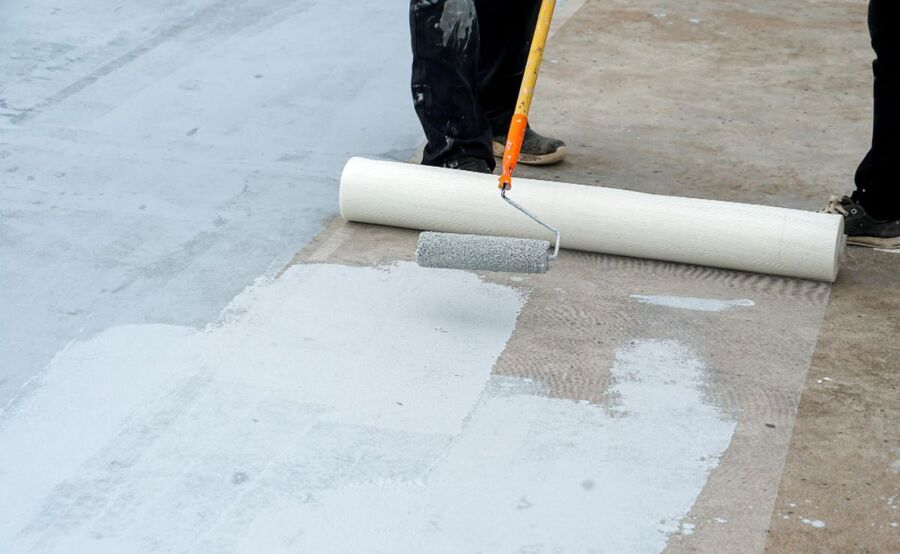
- Apply thin, even coats using a low-pressure sprayer or microfiber roller.
- Wait for the first coat to dry (usually 2–4 hours, depending on humidity).
- Apply a second light coat for enhanced protection and a balanced finish.
Hack #3: Apply in a criss-cross pattern—north to south, then east to west. This technique ensures complete coverage and prevents lap marks.
Seal in the Morning or Late Afternoon
Timing isn’t just poetic—it’s practical. Direct sun and high temps can wreak havoc on your sealer.
When applied in heat or under harsh sun, solvent-based sealers flash off too quickly, leading to streaks, roller marks, and uneven finishes. Water-based formulas can dry too fast on the surface, leaving behind clouding or pinholes.
The sweet spot? Early morning or late afternoon, ideally on a day between 50°F and 80°F. Overcast days are also your friend.
Hack #4: Check your forecast. Sealing before rain—or during high humidity—can ruin the entire project. Always aim for a 48-hour dry window.
Go Beyond the Gloss
Sure, shiny finishes look sexy. But sealer isn’t just about sheen—it’s about functionality.
Modern sealers can be tailored for:
- Slip Resistance: Add a grip additive (like aluminum oxide or polypropylene) to create a safer surface for pool decks, ramps, and patios.
- Color Enhancement: Use tinted sealers or apply a color densifier beforehand to intensify hues.
- Anti-Graffiti: For commercial settings, consider coatings that resist paint, ink, and markers.
Hack #5: Want that “wet look” without high gloss? Opt for a satin-finish sealer—it enhances color without the showroom shine.
Maintenance Is Minimal—but Mandatory
Once sealed, your concrete is pretty low-maintenance—but not maintenance-free.
Here’s how to keep it looking fresh:
- Sweep regularly to avoid abrasive grit that can wear down the surface.
- Mop with pH-neutral cleaners (avoid vinegar or ammonia).
- Re-seal every 2–5 years, depending on traffic and exposure.
- Spot clean spills quickly, especially oil or rust.
Hack #6: Spray down your sealed concrete with a light water mist in summer. It cools the surface and helps prevent heat stress on the sealer.
Concrete Sealing Myths, Busted
Let’s clear the air on a few misconceptions:
- “Concrete doesn’t need sealing.”
False. Unsealed concrete stains, cracks, and deteriorates much faster. Sealing extends its life and beauty. - “Sealing makes concrete slippery.”
Only if done wrong. Additives solve this with zero sacrifice in appearance. - “All sealers are the same.”
Couldn’t be more wrong. Using the wrong type can destroy a good slab or leave it looking worse than before.
Hack #7: Always read the product label—and if in doubt, consult a professional. A little guidance can prevent costly do-overs.
Future-Proofing Your Surfaces
Think of sealing as an investment multiplier. Whether it’s your business entryway, backyard patio, or decorative interior floor, proper sealing adds years of performance and elevates curb appeal.
But when done right—with the proper sealer, prep, application, and maintenance—it’s more than protection. It’s preservation, enhancement, and peace of mind, all in one sleek finish.
Ready to Upgrade Your Concrete Like a Pro?
Get it sealed, get it sleek—with Gresham Concrete Coatings.
Our team brings expert knowledge, premium products, and flawless application to every job. From patios and garages to commercial showrooms, we turn ordinary concrete into long-lasting works of art.
📞 Call now or 📅 schedule your consultation at
www.greshamconcretecoatings.comSmart surfaces start with smart sealing. Let’s future-proof your concrete the right way.
