
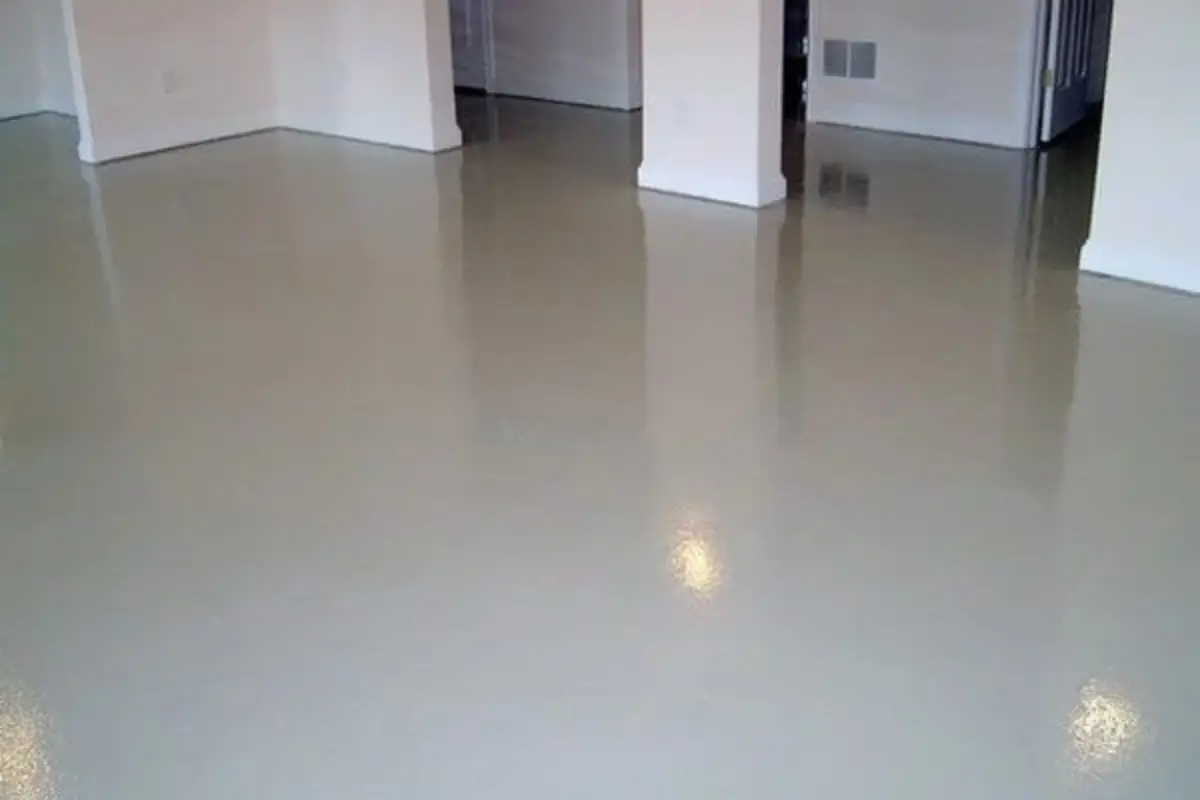
The Rise of Modern Rubber Flooring
Rubber floor coatings have evolved from niche industrial materials into cutting-edge flooring solutions admired for their resilience, comfort, and clean design. Once limited to factories and fitness centers, modern rubber coatings now grace offices, garages, healthcare facilities, and even homes. Their popularity stems from a perfect union of strength and sophistication—offering safety, longevity, and sleek aesthetics in one seamless surface.
What Is Rubber Floor Coating?
Composition and Material Properties
Rubber floor coatings are formulated using synthetic or natural elastomers—highly flexible compounds known for shock absorption and resilience. These coatings bond directly to the substrate, forming a continuous, nonporous layer that resists impact, abrasion, and chemical exposure. The result is a surface that withstands years of wear without cracking or peeling.
How It Differs from Traditional Flooring Options
Unlike tile, wood, or vinyl, rubber coatings are monolithic—meaning they contain no seams or joints. This prevents dirt accumulation and moisture intrusion, ensuring a hygienic and low-maintenance environment. Additionally, the elastic nature of rubber allows it to adapt to temperature fluctuations and heavy loads without fracturing—a property few other materials can match.
Key Benefits of Rubber Floor Coating
Exceptional Durability and Longevity
Rubber flooring thrives where others fail. Its dense composition resists scratches, impacts, and chemical spills, making it ideal for both industrial and residential settings. With proper maintenance, a rubber-coated floor can retain its original appearance and performance for more than two decades.
Slip Resistance and Safety Advantages
Safety is one of rubber’s greatest strengths. Its natural grip minimizes the risk of slips and falls, even when wet. This makes it a top choice for high-traffic or moisture-prone areas like gyms, kitchens, or workshops. The slightly cushioned surface also reduces fatigue, making it comfortable for prolonged standing.
Sound Absorption and Comfort Underfoot
Unlike hard flooring materials that echo footsteps, rubber absorbs sound and vibrations. It provides a soft, quiet environment—ideal for schools, hospitals, or office spaces. The flexible surface cushions each step, reducing strain on joints and muscles while enhancing overall comfort.
Aesthetic and Design Versatility
Color Options and Finishes for Contemporary Spaces
Today’s rubber coatings come in an array of colors, from muted industrial grays to bold, modern hues. Textured finishes add depth and traction, while glossy coatings create a polished, reflective look. The ability to customize color schemes allows designers to coordinate flooring with brand palettes or architectural elements seamlessly.
Seamless Designs for a Sleek, Professional Look
One of rubber flooring’s defining traits is its uniform appearance. Without joints or grout lines, it delivers a clean, minimalist aesthetic perfect for contemporary environments. This seamless design not only enhances visual appeal but also simplifies cleaning and upkeep—an elegant blend of form and function.
Ideal Applications for Rubber Floor Coating
Commercial and Industrial Facilities
In warehouses and manufacturing plants, rubber coatings protect concrete substrates from heavy equipment and chemical exposure. Their impact resistance and durability minimize maintenance downtime and extend the lifespan of underlying floors.
Gyms, Schools, and Healthcare Environments
Rubber flooring is a favorite in fitness centers and educational institutions due to its comfort, safety, and noise reduction properties. In healthcare settings, its antimicrobial and nonporous nature supports hygienic conditions while providing slip resistance for staff and patients alike.
Residential Garages and Workspaces
Homeowners are increasingly turning to rubber floor coatings for garages, basements, and workshops. The surface resists oil stains, tire marks, and abrasions while offering a refined finish. It’s practical, modern, and tough enough to handle any household project or vehicle load.
Installation Process and Best Practices
Surface Preparation and Application Methods
Proper preparation determines long-term success. The substrate must be clean, dry, and free of cracks or contaminants. Installers often grind or shot-blast the surface before applying a primer. Once prepared, the rubber coating is poured or rolled evenly, bonding to the substrate to form a unified surface.
Curing and Maintenance Essentials
Curing times vary based on formulation, but most rubber coatings fully set within 24 to 72 hours. During this period, maintaining stable temperatures and humidity ensures optimal adhesion. Once cured, the surface is immediately ready for foot traffic, offering quick turnaround for busy environments.
Comparing Rubber Coating to Epoxy and Polyurethane Floors
Performance, Cost, and Lifespan Differences
While epoxy and polyurethane floors provide exceptional hardness and chemical resistance, rubber coatings offer greater elasticity and comfort. Epoxy excels in glossy aesthetics but can become slippery when wet, whereas rubber maintains grip under all conditions. Rubber’s flexibility also reduces cracking in shifting substrates, giving it a distinct advantage in environments with temperature or weight fluctuations.
Which Coating Is Right for Your Space?
For industrial zones requiring extreme chemical resistance, epoxy remains a strong contender. However, for areas prioritizing safety, comfort, and quiet operation—such as gyms, hospitals, or residential garages—rubber floor coatings provide the superior solution. The decision ultimately rests on balancing performance needs with aesthetic goals.
Maintenance Tips for Long-Term Performance
Cleaning and Resealing for Extended Life
Rubber flooring demands minimal maintenance. Routine sweeping and occasional mopping with a mild, pH-neutral cleaner keep it pristine. Depending on wear, resealing every few years can rejuvenate color and enhance protection against staining and abrasion.
Preventing Damage and Preserving Shine
Avoid harsh solvents or abrasive tools when cleaning. Instead, use microfiber mops or soft brushes to preserve the finish. For high-traffic zones, adding mats near entrances can reduce grit accumulation and extend the floor’s lifespan.
Sustainability and Eco-Friendly Attributes
Recycled Materials and Low-VOC Formulations
Many modern rubber coatings incorporate recycled materials, reducing environmental impact. They’re often formulated with low or zero volatile organic compounds (VOCs), making them safe for indoor air quality. This sustainability factor aligns perfectly with green building standards and eco-conscious design.
Energy Efficiency and Environmental Impact
Rubber’s insulating properties help maintain consistent indoor temperatures, contributing to energy savings. Its long lifespan further minimizes material waste compared to traditional flooring that requires frequent replacement. Choosing rubber coatings means investing in sustainability without compromising performance.
Where Durability Meets Design
Rubber floor coatings represent the perfect balance between functionality and modern design. They bring durability, safety, and sleek elegance to every environment—whether industrial, commercial, or residential. By combining resilience with refined aesthetics, rubber coatings transform ordinary floors into surfaces built to perform and impress for decades.
In an era where every design choice must serve both purpose and beauty, rubber flooring stands out as the intelligent foundation beneath our most productive and inspiring spaces.
