
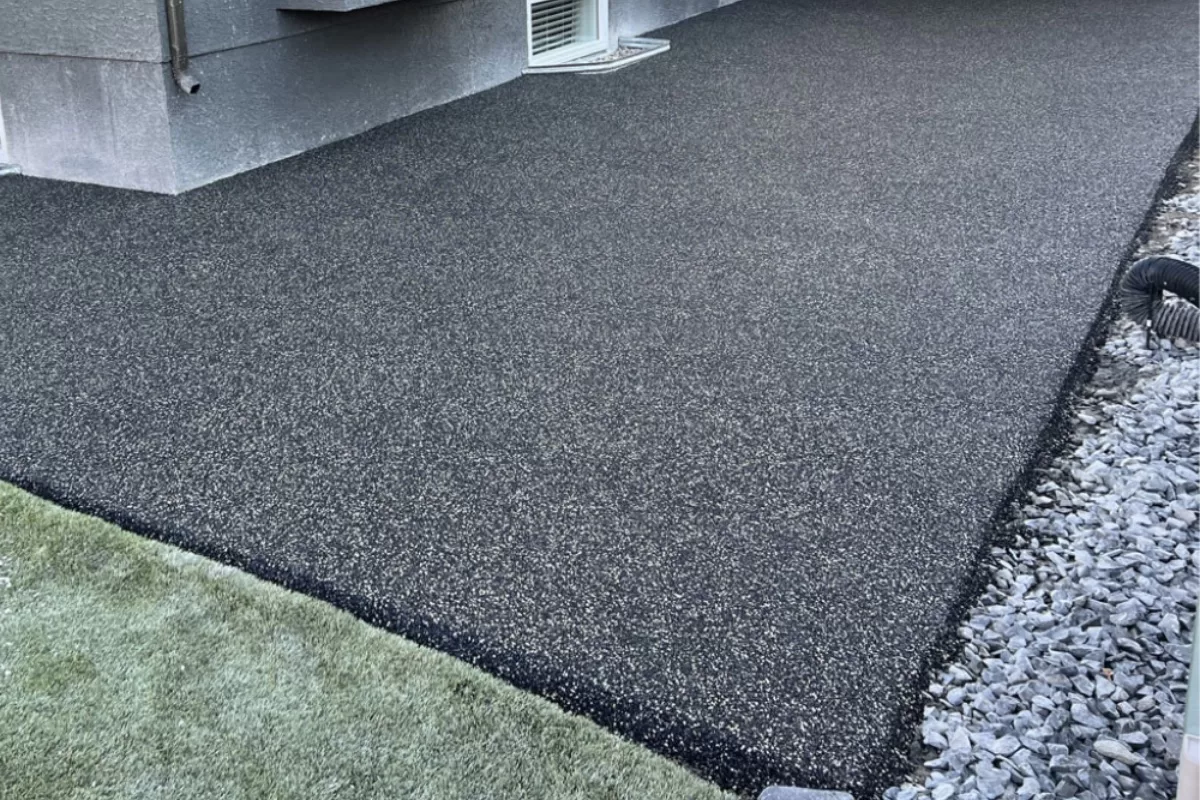
Why rubber coatings excel in harsh environments
Rubber floor coatings thrive where other flooring systems fail. They withstand immense pressure, heavy equipment, rapid temperature shifts, and high-impact activity. More importantly, rubber coatings bring exceptional flexibility. This flexibility—the ability to compress and rebound without cracking—makes them ideal for unforgiving environments. From industrial facilities to athletic training centers, rubber coatings deliver durability, safety, and comfort in one cohesive system.
What makes rubber flooring different from traditional materials
Traditional flooring like tile, vinyl, or raw concrete lacks elasticity. Rubber introduces a resilient structure capable of absorbing force rather than distributing it directly to the subfloor. It reduces fatigue, supports movement, and quiets spaces by minimizing impact sound. Rubber coatings offer superior traction and safety, making them indispensable in environments where performance and protection cannot be compromised.
Understanding Rubber Floor Coating Systems
How rubber coatings work
Rubber floor coatings bond to the substrate to create a continuous, cushioned surface. They can be poured, rolled, or troweled, depending on the system. Once cured, the result is a durable, slip-resistant coating that resists abrasion, chemicals, and shock. The coating forms a unified membrane that keeps moisture out and prevents cracks from traveling through the surface.
Types of rubber floor coatings
Common systems include:
- Poured rubber coatings for seamless, cushioned applications
- Rubberized polyurethane coatings for industrial use
- Rubber composite coatings for chemical-heavy environments
- Granular rubber systems used in gyms and playgrounds for traction and safety
Each type offers unique performance advantages tailored to the space.
Top Benefits of Rubber Floor Coatings
Shock absorption and impact resistance
Rubber coatings soften the blow of dropped tools, weights, and machinery components. This reduces damage and increases floor longevity. It also protects employees from strain and injury, especially in workplaces requiring repetitive movement.
Slip resistance in wet or hazardous conditions
Rubber’s natural grip makes it an excellent choice in areas exposed to water, oils, or chemicals. Slip-resistant textures can be incorporated to enhance safety further.
Noise reduction and vibration dampening
Rubber inherently absorbs sound. In gyms, manufacturing spaces, and labs, this noise reduction elevates comfort and efficiency. Vibration dampening also protects equipment and structural components.
Chemical and stain resistance
High-quality rubber coatings withstand oils, grease, solvents, cleaning agents, and corrosive materials. This resistance makes them dependable in commercial kitchens, workshops, and industrial facilities.
Environments That Benefit Most from Rubber Coatings
Industrial and manufacturing facilities
These environments demand flooring that survives heavy equipment, forklifts, impacts, and chemical exposure. Rubber coatings provide stability, traction, and a cushioned foundation that protects both machinery and workers.
Gyms, recreation centers, and training facilities
Rubber is the gold standard for athletic environments. Its shock absorption protects joints, and its sound-dampening qualities create a calmer workout area. It also resists dropped weights, scuffs, and sweat.
Commercial kitchens and food prep zones
Kitchens face spills, grease, foot traffic, and sanitation requirements. Rubber coatings resist slips and remain easy to clean, supporting both safety and hygiene.
Medical and laboratory environments
Rubber coatings are low-VOC, easy to disinfect, and capable of resisting harsh chemicals. This makes them ideal for sterile, controlled environments.
High-traffic retail areas
Rubber flooring withstands thousands of steps per day without wearing down or losing traction. Its comfort helps employees stay energized during long shifts.
Design Options for Rubber Floor Coatings
Color selections and patterns
Rubber coatings are available in solid tones, speckled blends, or mosaic-style finishes. Businesses can choose subtle neutrals or incorporate vibrant colors that match branding.
Textured finishes for traction
Textures can be added during installation to improve grip. These patterns ensure the surface performs safely even when wet or oily.
Custom branding and inlay options
Logos, directional markers, or color-coded zones can be integrated directly into the coating. This adds professionalism, branding cohesion, and functional organization.
Durability and Performance Features
Resistance to heavy machinery and rolling loads
Rubber coatings handle forklifts, carts, and machinery without cracking or denting. The material’s elasticity spreads out impact forces rather than absorbing them in a single spot.
UV and heat resistance
Rubber flooring resists fading, drying, and cracking even in environments with high heat or sunlight exposure. Advanced coatings withstand thermal stress.
Moisture protection and waterproofing capabilities
Rubber coatings form a watertight barrier that prevents moisture migration. This is essential for basements, kitchens, locker rooms, and laundry areas.
Installation Considerations
Surface preparation requirements
Proper preparation—grinding, patching, cleaning—is crucial. A well-prepared subfloor ensures solid adhesion and prevents bubbling or peeling.
Application techniques
Depending on the system, installers may pour, roll, or trowel the material. Multiple layers may be applied to achieve the correct thickness and durability.
Curing time and environmental conditions
Temperature and humidity directly affect installation success. Rubber coatings must cure under stable environmental conditions to achieve maximum strength.
Maintaining Rubber Floor Coating Systems
Cleaning routines
Daily sweeping and occasional mopping keep rubber coatings in top condition. Their seamless surface prevents soil buildup.
Long-term care
Rubber flooring rarely requires aggressive cleaning. Mild detergents and proper scrubbing maintain sheen and cleanliness without damaging the surface.
When to repair or refresh
In high-wear environments, sections of the coating may eventually require resurfacing. Minor repairs or reapplications restore appearance and performance.
Common Mistakes to Avoid
Choosing the wrong thickness
Thin coatings wear down faster. High-impact or industrial spaces require a thicker, reinforced system.
Ignoring subfloor condition
Cracks, moisture issues, or uneven surfaces compromise installation. Proper subfloor prep prevents future failure.
Using harsh chemicals that degrade surface quality
Rubber coatings resist most chemicals, but certain solvents can cause softening or discoloration. Proper cleaning products extend the coating’s lifespan.
Comparing Rubber Flooring to Other Materials
Rubber vs. epoxy
Epoxy is rigid and highly durable, but rubber offers greater flexibility and comfort. For shock absorption and noise control, rubber wins.
Rubber vs. vinyl
Vinyl is affordable but less durable in tough environments. Rubber offers superior resistance to abrasion and impact.
Rubber vs. polished concrete
Polished concrete is stylish but lacks traction and cushioning. Rubber coatings provide both safety and comfort.
Sustainability and Eco-Friendly Benefits
Recycled rubber material advantages
Many rubber coatings use recycled tires and rubber products. This reduces landfill waste and supports environmentally conscious building practices.
Low VOC and improved indoor air quality
Rubber coatings contribute to healthier indoor environments by emitting fewer pollutants, making them suitable for schools, clinics, and offices.
Choosing a Professional Rubber Floor Installer
What to look for in an expert contractor
Experienced installers understand material behavior, application techniques, and site preparation requirements. Proper certification ensures quality work.
Importance of proven experience and certifications
Contractors with verifiable credentials and strong portfolios demonstrate reliability. Expert application guarantees long-term performance.
Rubber floor coatings stand strong in environments where durability, resilience, and safety are critical. They offer comfort, protection, and stability without sacrificing aesthetics.
With unmatched shock absorption, slip resistance, and long-term durability, rubber coatings outperform traditional flooring in nearly every tough environment. They remain a smart, reliable, and forward-thinking solution for commercial, industrial, and recreational spaces.
